

Cold plunge therapy has moved from elite training centers to mainstream wellness culture in Las Vegas, and for good reason. Athletes, busy professionals, and fitness enthusiasts across the city are stepping into cold water in search of faster recovery, less soreness, and sharper energy. But with so much noise around this trend, it can be hard to separate what's real from what's overpromised. This article walks you through exactly how cold plunges work, what the research actually supports, where the limits are, and how to use this therapy safely to get the most out of every session.
Table of Contents
- How cold plunge therapy works
- Proven benefits: Muscle recovery and soreness relief
- Beyond muscles: Inflammation, immunity, and mood effects
- Risks and safety: What you must know before you plunge
- Expert protocols: How to maximize your cold plunge benefits
- Rethinking cold plunges: What actually works vs. what's overhyped
- Experience cold plunge and more at Wellness Las Vegas
- Frequently asked questions
Key Takeaways
| Point | Details |
|---|---|
| Evidence-based recovery | Research supports cold plunges for reduced soreness and muscle damage when protocols are followed. |
| Optimal protocols matter | Best results come from 10–15 minute immersions at 5–15°C, not longer or riskier exposures. |
| Know your risks | Consult a doctor if you have chronic health issues and always use safe cold exposure practices. |
| Wider wellness, mixed results | Potential immune and mood benefits are promising but less conclusively proven than muscle recovery. |
| Strategic timing | Avoid plunging right before max effort—integrate cold therapy with your training schedule for best effect. |
How cold plunge therapy works
Cold-water immersion, or CWI, is the practice of submerging your body in water typically below 15°C (59°F) for a set period of time. It sounds simple, but what happens inside your body during those few minutes is anything but. According to Frontiers in Sports and Active Living, cold-water immersion works to reduce tissue temperature, induce vasoconstriction, and modulate inflammation and neuromuscular recovery signals. In plain terms, your blood vessels tighten, your tissues cool down, and your body starts dialing back the inflammatory processes that cause post-workout pain and swelling.
Here's a quick breakdown of what happens physiologically when you enter cold water:
- Vasoconstriction: Blood vessels narrow quickly, reducing blood flow to muscles and pushing fluid out of swollen tissue.
- Reduced nerve conduction: Cold slows nerve signal speed, which is one reason soreness feels less intense immediately after immersion.
- Core temperature drop: The body works to maintain internal heat, triggering hormonal and metabolic changes that support recovery.
- Inflammatory modulation: Cold exposure influences cytokines and other signaling molecules that control your body's inflammatory response.
Timing matters more than most people realize. Using a cold plunge after training tends to support recovery and reduce soreness, while using it before a workout or competition can temporarily blunt muscle activation. The contrast therapy benefits of alternating between hot and cold exposures add another layer to this, as temperature cycling can drive circulation in ways that a single cold soak cannot.
Pro Tip: If your goal is reducing next-day soreness, schedule your cold plunge within 30 to 60 minutes after training, not right before you head back into the gym.
Proven benefits: Muscle recovery and soreness relief
Understanding the science helps us focus on the benefits you can actually expect. Here's what the research says about real recovery outcomes.
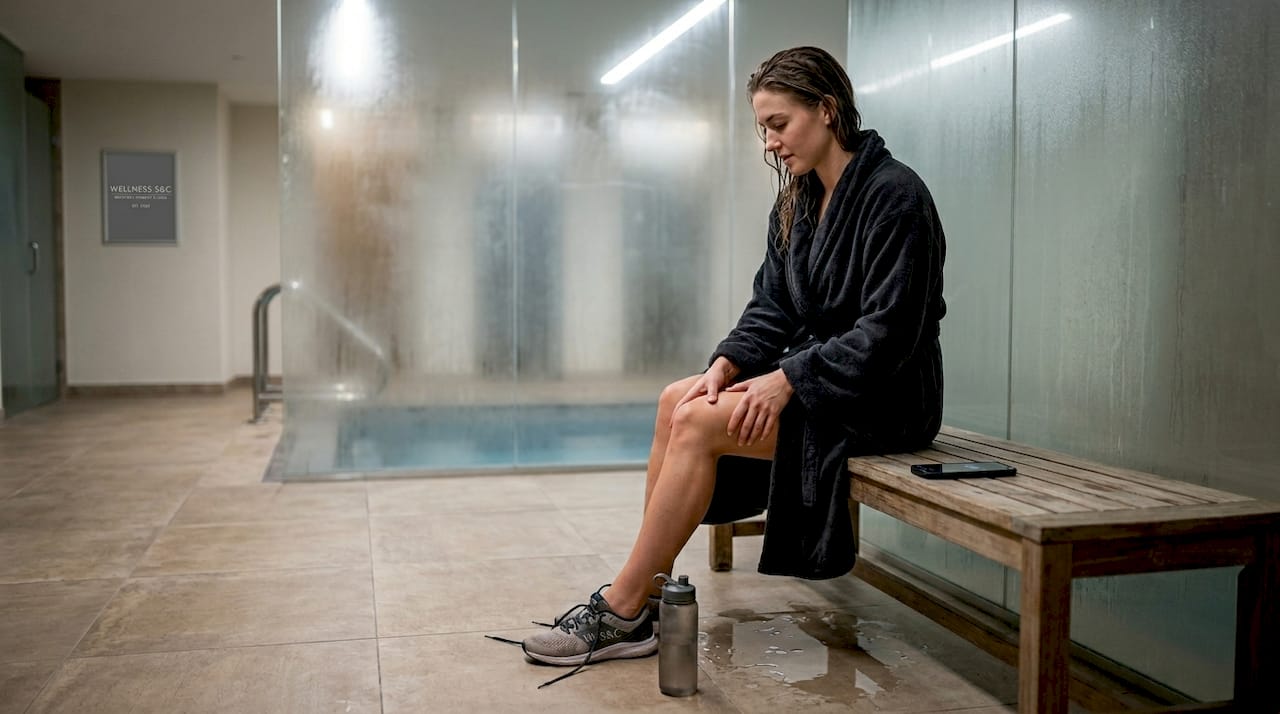
The strongest evidence for cold plunge therapy centers on delayed onset muscle soreness (DOMS), that familiar stiffness that peaks 24 to 72 hours after intense training. Research published in Frontiers in Physiology confirms that CWI can reduce DOMS and creatine kinase (CK) levels when applied correctly. CK is a biochemical marker that rises in the blood after muscle damage. Lower CK means less structural breakdown has occurred or that recovery is moving along faster.
The most effective protocols cluster around specific parameters:
- Temperature: 5 to 15°C (41 to 59°F) produces the most consistent results.
- Duration: Sessions between 10 and 15 minutes hit the sweet spot for benefit without added risk.
- Frequency: Most studies show benefits with sessions three to five times per week during heavy training blocks.
- Timing: Post-exercise immersion shows stronger results for soreness than pre-exercise.
Statistic callout: Most consistent RCT benefits for recovery come from 10 to 15 minute immersions at 5 to 15°C, making this the gold standard protocol for Las Vegas athletes and fitness enthusiasts looking to reduce downtime between sessions.
Here is where things get interesting. Cold plunges are not a complete recovery tool. As noted in research from Frontiers in Sports and Active Living, CWI most consistently benefits soreness and some biochemical markers, but explosive power and maximal strength recovery are less reliable outcomes.
| Recovery Marker | CWI Benefit | Reliability |
|---|---|---|
| DOMS (perceived soreness) | Strong reduction | High |
| Creatine kinase (CK) | Moderate reduction | Moderate |
| Swelling and tissue inflammation | Noticeable decrease | Moderate to high |
| Explosive power (sprint, jump) | Minimal or slightly reduced | Low |
| Maximal strength recovery | Inconsistent results | Low |
The practical takeaway? Cold plunge therapy is excellent for helping you feel better faster and reducing soreness so you can train again sooner. It is not a reliable tool for restoring peak power output before your next competition. You can learn more about specific protocols at our cold plunge therapy details page or explore a broader approach in this cold therapy recovery guide.
Pro Tip: If you're competing within 24 hours, hold off on a full cold plunge session. Save it for after the event when recovery is your only priority.
Beyond muscles: Inflammation, immunity, and mood effects
Recovery is just one piece of the picture. Many people seek cold plunges for broader wellness benefits. Let's see what science actually says about effects on overall well-being.
Cold exposure, particularly whole-body cryotherapy and cold-water immersion, appears to shift the body's inflammatory balance. Specifically, some research points to a reduction in pro-inflammatory cytokines like IL-1β and an increase in anti-inflammatory cytokines like IL-10. However, as a review in Springer Nature Scientific Reports notes, whole-body cryotherapy shows consistency in reducing some inflammatory cytokines, but overall evidence remains mixed.
What does that mean in practice? It means cold plunges can support an anti-inflammatory state, but they are not a guaranteed fix for chronic inflammation or immune system deficiencies.
"Cold exposure influences inflammatory cytokine balance and may support mood, perceived recovery, and immune markers, but individual responses vary significantly. Context and consistency matter most."
Here's a summary of potential whole-body effects and the honest limitations:
| Potential Benefit | What Research Supports | Limitation |
|---|---|---|
| Reduced inflammation | Cytokine shifts in some studies | Mixed results, study design variability |
| Improved mood | Norepinephrine increase post-cold | Short-lived, self-reported outcomes |
| Perceived immune boost | Some cytokine modulation | Not a treatment for immune disorders |
| Better sleep | Anecdotal and limited studies | Inconsistent protocols across studies |
Beyond the numbers, many regular cold plunge users in Las Vegas report feeling more alert, energized, and emotionally grounded after sessions. The norepinephrine spike that follows cold immersion is real and measurable, and it likely contributes to that "woke up refreshed" feeling people describe. For a closer look at how cold therapy compares to other modalities, this cryotherapy explained resource breaks it down in detail.
The honest message is this: cold plunges offer genuine, science-supported benefits for inflammation and mood, but they work best as part of a consistent wellness practice rather than a one-time fix.
Risks and safety: What you must know before you plunge
Effective use means balancing benefits with safety. Here's what every wellness enthusiast in Las Vegas needs to keep in mind before stepping into the cold.
The most immediate risk with cold plunge therapy is called the cold shock response. When your body hits cold water suddenly, you experience a sharp gasp reflex, your heart rate spikes, and blood pressure rises rapidly. For most healthy adults, this response passes within 30 to 60 seconds. For others, it can be dangerous. As the American Lung Association notes, cold plunges acutely stress the cardiovascular and respiratory system, and risks are increased with certain pre-existing conditions.
People who should use extra caution or consult a doctor before trying cold plunge therapy:
- Those with heart disease or arrhythmia
- Individuals with high or uncontrolled blood pressure
- People with chronic lung conditions such as asthma
- Anyone with Raynaud's syndrome (a condition causing extreme sensitivity to cold in the extremities)
- Those with thyroid disorders or conditions affecting temperature regulation
- Pregnant individuals
- People currently on blood pressure or heart medications
"Cold-water immersion can cause sudden cardiovascular and respiratory stress. Anyone with an underlying heart or lung condition should speak with a clinician before attempting cold plunge therapy."
If you are cleared to try cold plunges, here are numbered safety steps to follow every session:
- Start with shorter exposures of 2 to 5 minutes and build up gradually over several weeks.
- Never plunge alone, especially during your first several sessions.
- Keep water temperature at 10 to 15°C to start rather than going as cold as possible.
- Focus on controlled breathing during the initial shock phase to calm your nervous system.
- Warm up naturally after your session by moving around rather than jumping into a hot shower immediately.
- Stay hydrated before and after, as cold immersion still affects circulation and fluid balance.
- Listen to your body. Numbness, dizziness, or chest tightness are signals to exit immediately.
For supervised, professionally managed cold therapy in Las Vegas, our team at Wellness Las Vegas follows strict safety protocols to make sure every session is both effective and comfortable.
Expert protocols: How to maximize your cold plunge benefits
With both benefits and risks in mind, here's your checklist for cold plunge success.
The data is clear on one thing: there is no benefit to suffering through extreme temperatures for extended periods. Research supports a focused, strategic approach. Studies confirm that the most consistent recovery benefits come from immersions at 5 to 15°C lasting 10 to 15 minutes. Going colder or longer does not meaningfully improve outcomes and increases your risk.
Equally important is strategic timing. Research from Frontiers in Sports and Active Living warns that you should not use cold plunges immediately before needing peak explosive strength, as it can temporarily impair muscle readiness.
Here is a step-by-step guide for an effective cold plunge session:
- Wait at least 30 minutes post-training before entering the cold plunge. Your body needs a brief window to begin the natural inflammatory process before you interrupt it.
- Set temperature between 10 and 15°C if you are new to cold therapy. Experienced users can work toward 5 to 10°C over time.
- Enter gradually rather than jumping in. Lower your body steadily to avoid triggering a severe cold shock response.
- Control your breathing from the first second. Slow, deep breaths will help regulate your heart rate and calm the initial shock response.
- Aim for 10 to 12 minutes in the sweet spot range. Use a timer to stay consistent.
- Exit calmly and warm up slowly with movement rather than heat. Let your body regulate its temperature on its own.
- Track your results over two to four weeks. Adjust frequency and duration based on how your soreness, sleep, and energy levels respond.
For deeper reading on how athletes structure cold therapy into their broader training week, this science-backed recovery methods guide is a strong next step.
Pro Tip: If you're new to cold plunges in Las Vegas, start at 15°C for six minutes twice per week. After two weeks, drop the temperature by two degrees and extend by two minutes. This gradual progression builds tolerance without shock and helps you identify your personal sweet spot for recovery.
Rethinking cold plunges: What actually works vs. what's overhyped
Let us be honest about something that rarely comes up in cold plunge conversations: the gap between what cold therapy can do and what some enthusiasts claim it does is significant.
Cold plunges will not replace quality sleep. They will not erase the effects of poor nutrition or overtraining. And they will not give you the immune system of a superhero. What they will do, consistently and reliably, is reduce how sore you feel tomorrow and help you get back to training sooner. That is genuinely valuable, and it should not be minimized.
The cold plunge trend is here to stay in Las Vegas, and for good reason. The city's athlete population, high-performance professionals, and wellness-focused community have found that structured cold therapy fits naturally into a demanding lifestyle. But the people getting the most out of it are not the ones chasing the coldest temperatures or the longest times. They are the ones integrating cold plunges strategically into broader wellness plans that include sleep, nutrition, movement, and other modalities.
This is where contrast therapy recovery becomes especially worth exploring. Pairing cold plunges with infrared sauna or steam therapy creates a circulation-driving effect that neither modality produces alone. Alternating between heat and cold dilates and constricts blood vessels rhythmically, flushing metabolic waste and delivering fresh, oxygenated blood to recovering tissue. This combination approach is, in our view, the most effective and well-rounded recovery strategy available to Las Vegas wellness seekers today.
The best results come from consistency, not intensity. One extreme cold plunge session will not transform your recovery. But two to three well-timed, correctly dosed sessions per week, built into a complete wellness plan, can meaningfully improve how you feel, how fast you recover, and how well you perform over time.
Experience cold plunge and more at Wellness Las Vegas
If you're ready to put this into practice, Wellness Las Vegas offers a clean, professionally managed environment where cold plunge therapy is safe, guided, and tailored to your goals. Whether you're recovering from hard training, managing day-to-day stress, or building a long-term wellness routine, our team is here to support you at every step. Explore cold plunge Las Vegas to see our setup and session options, or combine cold immersion with heat exposure through our contrast therapy options for an even more powerful recovery experience. Athletes looking to elevate performance will also want to explore infrared sauna for athletes. Your wellness plan starts here.
Frequently asked questions
How long should I stay in a cold plunge for best recovery?
Most evidence supports 10 to 15 minute sessions at 5 to 15°C for optimal recovery and safety, making this the target range for consistent, measurable results.
Can cold plunges boost my immune system?
Some research shows cold exposure may modulate inflammatory immune markers, but results are mixed and cold therapy is not a proven treatment for immune deficiencies.
Are cold plunges safe for everyone?
Cold plunges carry added cardiovascular and respiratory risks for people with heart, lung, or circulatory conditions, so always consult a doctor before your first session.
Should I use cold plunge right after strength training?
Cold plunge can reduce soreness effectively, but CWI may temporarily inhibit explosive power, so use it well after training rather than immediately before your next high-intensity effort.