
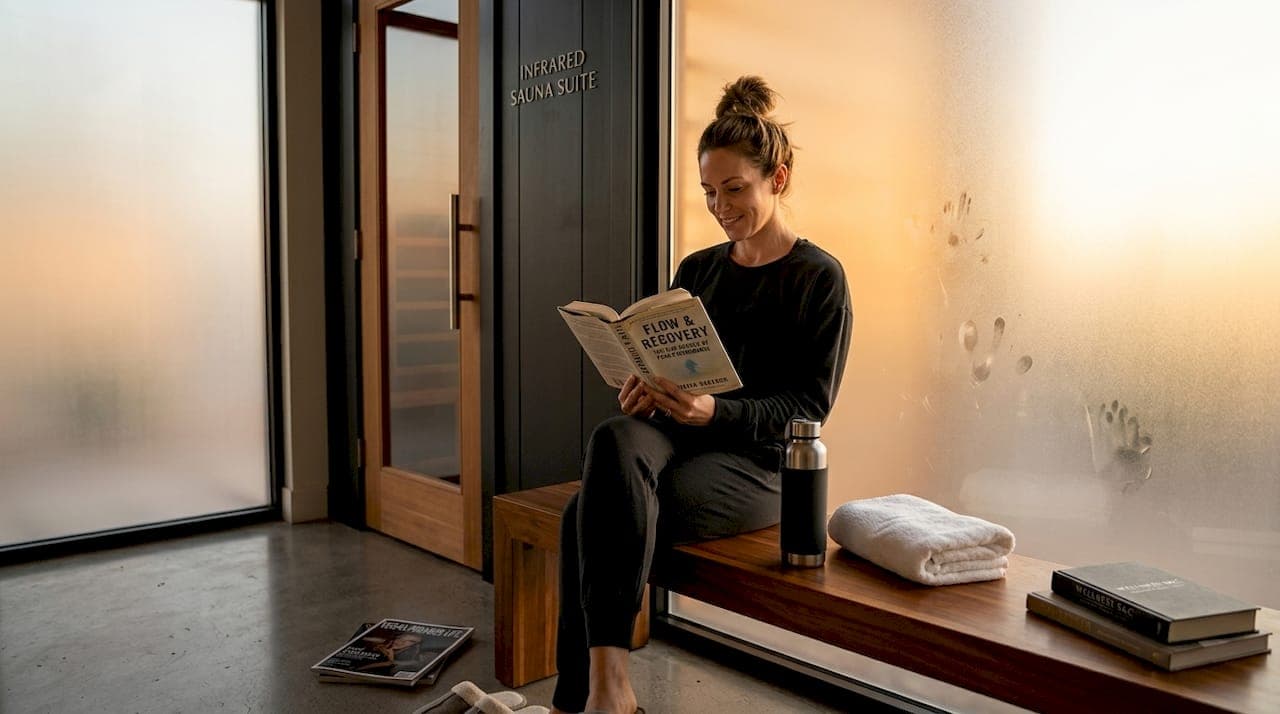
Most people assume a sauna session is a luxury treat, something you indulge in after a massage or on a hotel vacation. But emerging research tells a very different story. Regular sauna use triggers measurable, lasting changes in your stress hormone levels, mood, and even your sleep quality. For Las Vegas residents navigating high-pressure careers, relentless schedules, and a city that never slows down, understanding how sauna works on a physiological level could be the missing piece in your recovery strategy.
Table of Contents
- How sauna use reduces stress: The science explained
- Comparing sauna types and local options in Las Vegas
- Benefits beyond stress relief: Mood, sleep, and recovery
- Sauna safety, contraindications, and best practices
- A fresh perspective: Sauna for real-world stress recovery in Las Vegas
- Experience stress reduction with local sauna services
- Frequently asked questions
Key Takeaways
| Point | Details |
|---|---|
| Regular saunas lower stress | Consistent sessions significantly reduce baseline cortisol and boost relaxation. |
| Infrared is ideal for beginners | Infrared saunas offer a gentler experience, perfect for those new or anxious about heat. |
| Broader wellness improvements | Sauna use supports mood enhancement, sleep quality, and pain relief—especially in high-stress cities like Las Vegas. |
| Safety and best practices | Start low and hydrate; check medical conditions before beginning sauna routines. |
| Contrast therapy amplifies effects | Combining sauna and cold plunge delivers faster recovery and deeper stress relief. |
How sauna use reduces stress: The science explained
Having set the context, let's explore what actually happens inside your body during sauna use.
When you step into a sauna, your body reacts quickly. Core temperature rises, your heart rate accelerates, and your nervous system registers a mild, controlled form of heat stress. Initially, your cortisol levels spike. This might sound counterproductive, but here's the important part: regular sessions lower cortisol over the long term and activate the parasympathetic nervous system, which is the part of your nervous system responsible for rest and recovery.
Think of it as training your body to become more resilient to stress. One session creates a temporary spike. Twenty sessions reshape how your body regulates its baseline. This is the cumulative effect that most people miss when they write off sauna as "just relaxation."
What happens neurochemically during a sauna session:
- Your brain releases endorphins, the same chemicals triggered by exercise, producing a natural sense of calm and well-being
- Prolactin levels rise, supporting nerve repair and contributing to a relaxed mental state
- Blood vessels dilate through vasodilation, easing physical tension throughout the body
- Inflammation markers drop, which directly supports improved mood and reduced anxiety
- The body gradually shifts from sympathetic (fight or flight) to parasympathetic activation
The neurochemical profile of a good sauna session genuinely mimics the benefits of moderate cardiovascular exercise. That is not a metaphor. Your heart rate increases by 60 to 130%, your circulation improves, and your body enters a recovery state once the heat stimulus ends.
Here is a quick look at the key physiological changes during and after sauna use:
| Physiological factor | During session | After regular use |
|---|---|---|
| Cortisol | Temporarily spikes | Baseline drops significantly |
| Heart rate | Rises 60 to 130% | Improves resting variability |
| Endorphins | Released actively | Mood improves consistently |
| Inflammation markers | Mild reduction begins | Sustained anti-inflammatory effect |
| Nervous system state | Sympathetic activation | Parasympathetic recovery strengthened |
"Sauna exposure produces short-term physiological stress that, with consistency, trains the body into deeper, more sustained relaxation responses between sessions."
You can explore how these principles apply to infrared sauna basics and how different sauna formats leverage this science differently. For broader practical guidance, the sauna wellness tips available from local wellness providers give you real-world starting points.
Comparing sauna types and local options in Las Vegas
Now that you understand the science, let's look at the different sauna options and where to try them locally.
Not all saunas work the same way, and the differences matter especially if you're new to heat therapy or you're managing a sensitive nervous system. The two most common formats you'll encounter in Las Vegas are Finnish (traditional) saunas and infrared saunas.
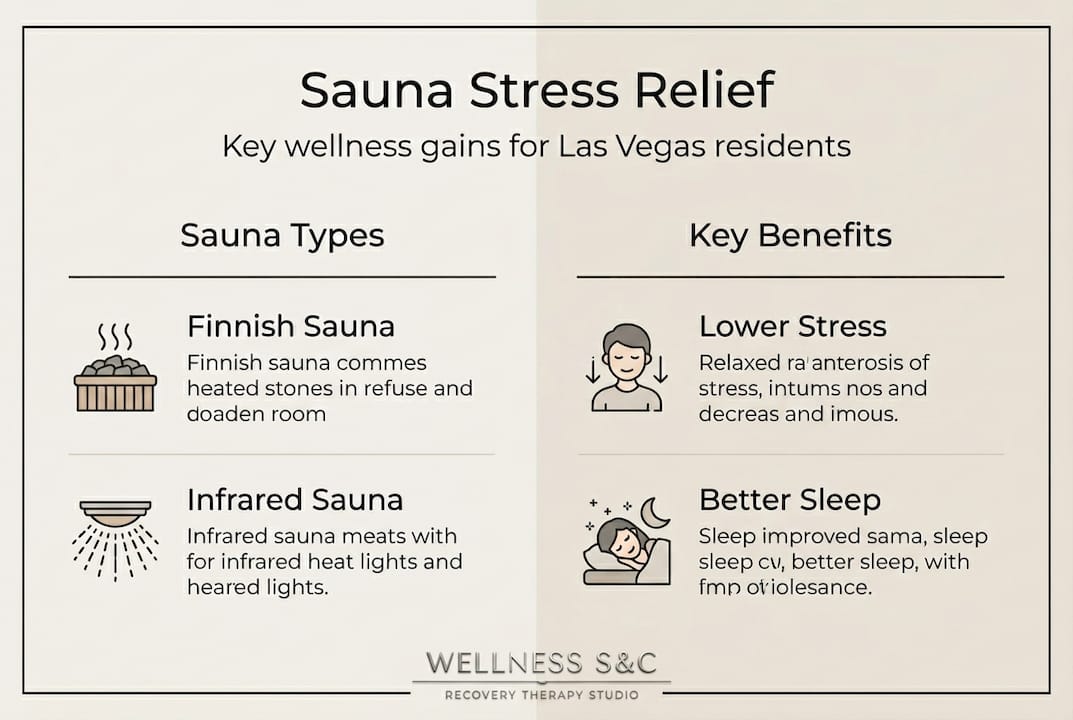
Finnish saunas use steam and air temperatures that typically range from 160°F to 212°F. The heat is intense and immediate. These are great for experienced users who want a more aggressive heat stimulus, and the high-temperature environment is what most people picture when they think of a traditional sauna experience.
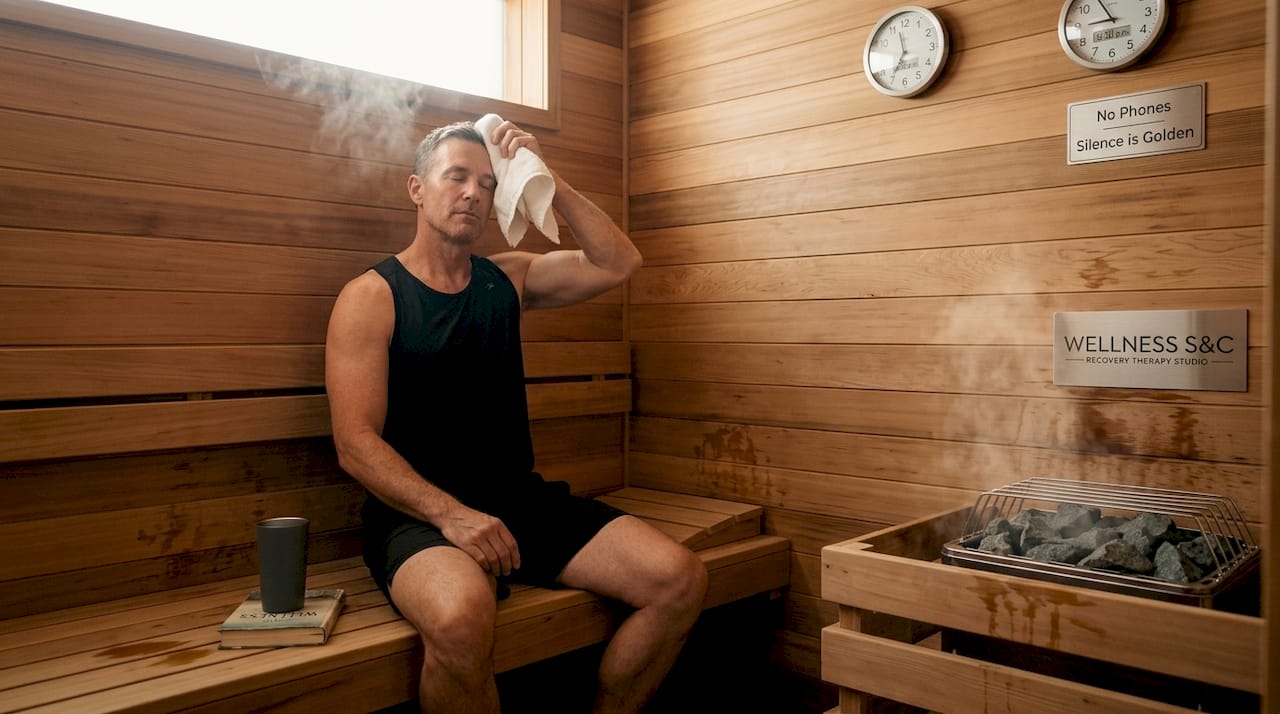
Infrared saunas operate at lower temperatures, generally 120°F to 150°F, but the infrared wavelengths penetrate deeper into muscle tissue. Infrared saunas are gentler and particularly well-suited for beginners, those recovering from burnout, or anyone whose nervous system is already running on overdrive. If anxiety is part of your stress picture, starting with infrared is a smart choice because the lower ambient heat makes the experience less overwhelming and easier to sustain.
Key differences at a glance:
- Finnish sauna: High air temperature (160 to 212°F), faster heat response, more intense sweat, great for experienced users
- Infrared sauna: Lower temperature (120 to 150°F), deeper tissue penetration, gentler on the cardiovascular system, beginner-friendly
- Salt rooms: Often paired with sauna facilities, salt therapy adds respiratory benefits and can further calm the nervous system
- Vitality pools: Warm water immersion complements sauna use by extending the parasympathetic recovery window
Las Vegas actually offers strong access to these options for busy professionals. Co-ed spas and infrared facilities with drop-in pricing make it realistic to build sauna use into your weekly routine without major scheduling commitments. Many local facilities offer both Finnish and infrared options under one roof, often alongside additional recovery modalities.
| Feature | Finnish sauna | Infrared sauna |
|---|---|---|
| Temperature range | 160 to 212°F | 120 to 150°F |
| Best for | Experienced users, deep sweat | Beginners, sensitive nervous systems |
| Session length | 10 to 20 minutes | 20 to 40 minutes |
| Stress relief mechanism | Intense heat stress adaptation | Gentle heat with deep tissue effect |
| Typical availability in Las Vegas | Spa facilities, hotel wellness centers | Standalone wellness studios, medical spas |
For those interested in layering additional recovery approaches, a contrast therapy guide walks you through combining heat and cold for amplified results. Bundled options through spa session packages can also help you access multiple modalities at better value.
Pro Tip: If you are trying sauna for the first time, book an infrared session rather than a traditional Finnish sauna. The lower temperature gives you time to get comfortable with heat exposure without the intensity that can trigger anxiety in stressed nervous systems.
Benefits beyond stress relief: Mood, sleep, and recovery
Besides lowering stress, sauna sessions offer more wellness benefits for Las Vegas residents.
Las Vegas is one of the most stimulating environments in the country. The city's pace, noise, and 24-hour culture put a specific kind of pressure on your sleep patterns and emotional baseline. The good news is that sauna directly addresses several of the most common complaints among residents here.
Here are the key wellness benefits backed by current research:
- Improved sleep quality: Regular sauna use raises core body temperature during the session, and the subsequent cooling phase signals to the brain that it's time to rest. This mirrors the temperature drop that naturally occurs as you fall asleep, making it easier to fall into deep, restorative sleep.
- Reduced depression symptoms: Research published in peer-reviewed journals shows sauna use is associated with reductions in depression symptoms of up to 50% in consistent users.
- Pain relief and physical recovery: Heat increases blood flow to muscles, reduces stiffness, and promotes tissue repair. This is particularly valuable if your stress is partly physical, coming from long work hours, poor posture, or physical fatigue.
- Better perceived stress management: Study participants consistently report feeling more capable of managing daily stressors after establishing a regular sauna routine, even before objective cortisol measurements reflect changes.
- Mood elevation: The endorphin and prolactin response from sauna creates an uplifted emotional state that persists well beyond the session itself.
The contrast therapy approach takes these benefits further. Alternating between heat and cold, such as pairing sauna with a cold plunge, amplifies recovery significantly for people with demanding professional lives. The cold exposure triggers a norepinephrine surge that sharpens mental focus and energy, while the sauna phase handles the parasympathetic reset.
For Las Vegas professionals who struggle to wind down after late meetings or high-stakes evenings, dry float therapy is another excellent complement to sauna use. Combining float therapy with red light support accelerates the nervous system recovery that sauna begins.
Quick wins from consistent sauna use:
- Deeper, less interrupted sleep within 2 to 4 weeks of regular sessions
- Noticeable mood improvement, particularly reduced irritability and emotional reactivity
- Less muscle soreness and physical tension after high-stress weeks
- Stronger sense of emotional resilience when facing work or life pressures
Sauna safety, contraindications, and best practices
Understanding these risks can help maximize benefits and avoid problems, especially for those with specific health concerns.
Sauna is safe for most healthy adults, but it is not right for everyone without precaution. Being informed about the risks is just as important as understanding the benefits.
Who should avoid sauna or get medical clearance first:
- Anyone who has experienced a recent heart attack or has unstable angina
- Pregnant individuals, at any stage
- People consuming alcohol before or during a session (alcohol dramatically increases dehydration risk and masks heat warning signals)
- Those with acute illness, fever, or active infection
- Individuals with certain blood pressure conditions or cardiovascular concerns; always consult your doctor before starting if this applies to you
Harvard Health research also highlights that short-term cortisol and blood pressure spikes during sauna sessions require caution for those with specific cardiovascular conditions. This is not a reason to avoid sauna entirely, but a reason to get proper guidance before starting.
How to build your sauna practice safely:
- Start with sessions of 10 to 15 minutes at lower temperatures, particularly if using a Finnish sauna
- Hydrate well before, during (if permitted), and after every session
- Allow yourself to cool down gradually rather than rushing back into activity
- Listen to your body. Dizziness, nausea, or rapid discomfort are signals to exit immediately
- Gradually increase session duration and frequency over several weeks as your body adapts
Infrared saunas are generally more forgiving for beginners and for those with cardiovascular sensitivities due to the lower ambient temperature. If you want personalized guidance on where to start, reviewing infrared sauna safety is a good first step. You can also explore professional guidance options to discuss which modality fits your current health profile.
Pro Tip: Schedule your sauna session in the evening if stress reduction and sleep improvement are your primary goals. The temperature rise and subsequent cooling align naturally with your body's pre-sleep hormonal patterns, making the wind-down effect significantly stronger.
A fresh perspective: Sauna for real-world stress recovery in Las Vegas
Here is something we see consistently: people try sauna once, feel good, and then wait two weeks before coming back. Then they wonder why they are not seeing lasting results.
The research is clear. Evening sauna sessions are particularly effective for professionals dealing with burnout and chronic anxiety because cortisol modulation requires consistent, repeated heat exposure to become a lasting pattern. One session is a pleasant experience. Four to seven sessions a week is a behavioral intervention with measurable neurological effects.
Las Vegas professionals often face what we call "acceleration burnout," the kind that builds slowly from sustained high performance, sleep disruption, and social overstimulation. The city's energy is genuinely extraordinary, but it asks a lot from your nervous system over time.
What we have found works best is not just sauna in isolation. Pairing your session with intentional mindfulness, even five minutes of quiet breathing before or after, dramatically improves the parasympathetic shift the heat creates. The sauna opens the window. Mindful stillness helps you climb through it.
Infrared sauna, in particular, is underappreciated for sensitive nervous systems. The gentler heat feels less confrontational, making it easier to stay present and relaxed rather than spending the session just enduring the heat. That mental shift from endurance to surrender is where the real stress relief happens.
Contrast therapy is worth highlighting separately for anyone recovering from serious burnout. Combining sauna with a cold plunge at Wellness Sauna & Cryotherapy creates a powerful physiological reset that most stress management tools simply cannot replicate. The hot-cold cycle forces your vascular system to expand and contract, essentially exercising your body's ability to regulate itself. Over time, that adaptability translates into greater emotional and physical resilience.
Experience stress reduction with local sauna services
You now understand the science, the formats, and the safety guidelines. The next step is putting that knowledge to work in a real environment designed for exactly this purpose.
At Wellness Sauna & Cryotherapy in Las Vegas, we offer infrared sauna sessions in private, clean, professionally equipped rooms built for genuine results. Whether you want a quick drop-in to reset after a demanding day or a structured protocol for ongoing stress management, our team helps you build a plan that fits your schedule and goals. Our contrast therapy packages combine sauna and cold plunge for accelerated recovery, and our flexible wellness packages make it easy to stay consistent without overspending. This is science-backed stress relief designed for the Las Vegas lifestyle.
Frequently asked questions
How often should I use a sauna for stress reduction?
Regular sessions four to seven times per week lasting 15 to 20 minutes each are associated with sustained reductions in baseline cortisol and improved relaxation responses over time.
Are infrared saunas safe for beginners and those with anxiety?
Yes. Infrared saunas are gentler than traditional Finnish saunas and are well-suited for beginners or individuals with heightened nervous system sensitivity, including those managing anxiety.
Can sauna use help with sleep and mood in stressful environments like Las Vegas?
Empirical studies show that regular sauna use improves sleep quality and is linked to meaningful reductions in depression symptoms, making it especially relevant for high-stress urban environments.
What are the main health risks or contraindications for sauna use?
Avoid sauna if you have had a recent heart attack, unstable angina, pregnancy, or active illness, and never use alcohol before a session; consult your doctor for any cardiovascular concerns before starting.
Is combining sauna and cold plunge more effective for stress recovery?
Yes. Contrast therapy amplifies recovery benefits beyond what either sauna or cold plunge provides alone, and it is particularly effective for professionals dealing with high-stress routines or burnout.