

Most people think of saunas as a place to unwind after a workout. But research from Finland tells a different story. Frequent sauna use at traditional temperatures significantly lowers cardiovascular disease risk and mimics the physiological effects of moderate exercise. That means the heat you feel during a session is doing far more than relaxing your muscles. This guide walks you through the science, the protocols, and the practical strategies that turn sauna sessions from a luxury into a genuine health tool. Whether you're chasing better recovery, lower stress, or improved sleep, you'll find clear answers here.
Table of Contents
- How saunas work: Heat, heart, and science
- Sauna protocols for maximum health and recovery
- The health benefits: Stress, recovery, and sleep
- Types of saunas and choosing the right fit in Las Vegas
- Why most guides get sauna health wrong and what you should really focus on
- Experience the benefits with expert-guided sauna sessions in Las Vegas
- Frequently asked questions
Key Takeaways
| Point | Details |
|---|---|
| Regular use maximizes health | Frequent sauna sessions (3-7 times weekly) are linked to better longevity and recovery results. |
| Science-backed protocols matter | How you use the sauna—duration, hydration, cooldown—is critical for both safety and effectiveness. |
| Benefits go beyond relaxation | Research highlights stress relief, cardiovascular improvement, and muscle recovery as the top proven advantages. |
| Choose the right sauna type | Both Finnish and infrared saunas offer benefits; pick what matches your comfort and goals. |
How saunas work: Heat, heart, and science
Now that the powerful research is clear, let's demystify how saunas actually affect your body. When you step into a sauna, your core temperature rises, your heart rate increases, and your blood vessels dilate. Your cardiovascular system responds almost exactly the way it does during a brisk walk or light jog. That response is not accidental. It's your body doing exactly what it's designed to do under controlled heat stress.
One of the more fascinating mechanisms involves heat shock proteins. These are protective molecules your cells produce when exposed to heat. Heat shock proteins reduce inflammation, lower C-reactive protein (CRP, a key marker of chronic inflammation), and improve cardiovascular profiles over time. Regular activation of this system is one reason Finnish studies link sauna use to a 40 to 60 percent lower risk of cardiovascular disease in frequent users.
Now, let's address the myth many people believe: that sweating in a sauna "detoxes" your body. Sweat is mostly water and trace minerals. Your liver and kidneys handle the real detoxification work. The cardiovascular and stress relief benefits are where the empirical evidence is strongest. Holding on to exaggerated detox claims can distract you from what the science actually supports.
Here's a quick look at the main sauna types and what they do:
| Sauna type | Typical temperature | Key physiological effect |
|---|---|---|
| Traditional Finnish | 160 to 200°F | Heart rate elevation, strong heat shock response |
| Infrared | 120 to 150°F | Deep tissue heat, lower surface intensity |
| Steam (wet) | 110 to 120°F | Airway opening, skin hydration, mild cardiovascular load |
If you want to learn more about how infrared sauna basics compare to traditional heat, the science behind each format is worth understanding before you commit to a protocol. Pairing sauna with cold exposure is also gaining traction. Exploring contrast therapy methods can add another layer of cardiovascular and recovery benefit.
"The physiological changes triggered by regular sauna use are comparable to those from moderate aerobic exercise. This makes it a powerful tool for populations who cannot exercise intensively." — Sauna research summary, NPR Health
Sauna protocols for maximum health and recovery
Understanding the science is one thing, but practical application is key for lasting improvement. How you use a sauna matters just as much as how often you use it.
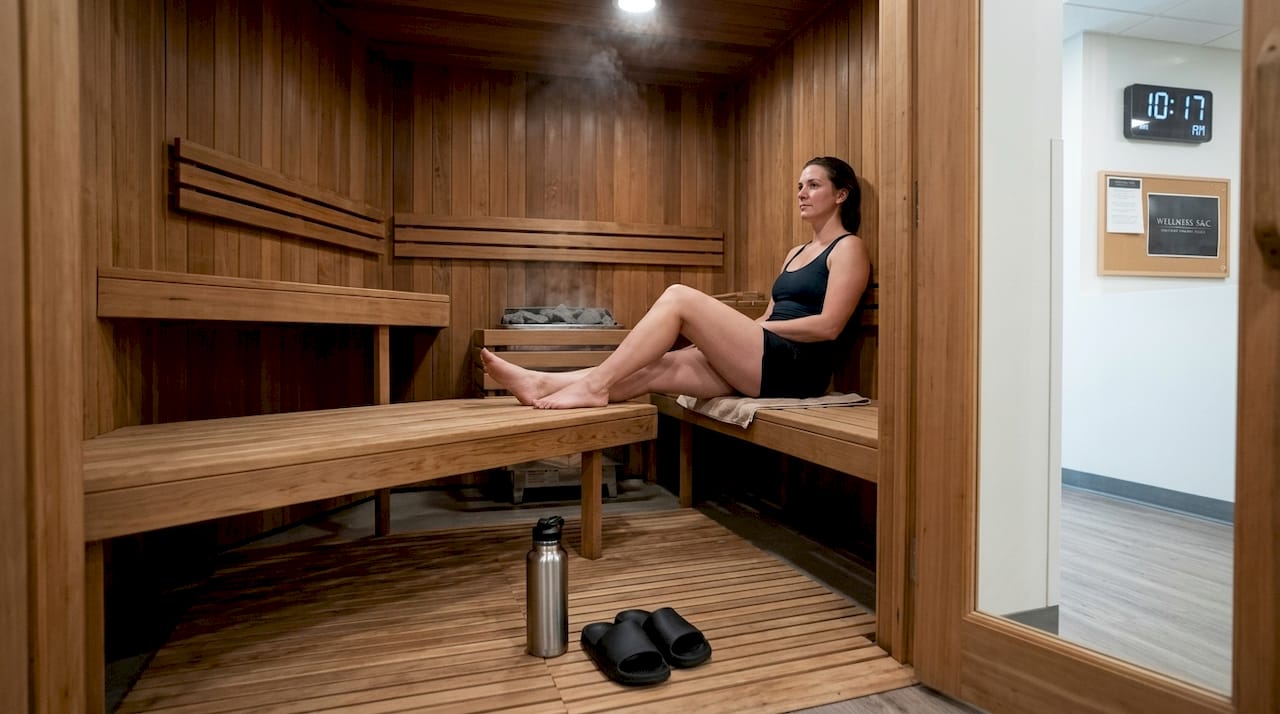
For beginners, keep sessions to 5 to 10 minutes at a time. Sit on the lower benches where temperatures are cooler. Your body needs time to adapt to heat stress. Pushing too hard too soon increases the risk of dizziness or dehydration.
For experienced users, sessions of 15 to 20 minutes are both safe and effective. Upper benches deliver more intense heat exposure. Most health research points to 3 to 4 sessions per week as the minimum for meaningful gains, with 4 to 7 times weekly delivering the strongest outcomes.
Here's a practical comparison to guide your planning:
| Factor | Beginner | Advanced |
|---|---|---|
| Duration per session | 5 to 10 minutes | 15 to 20 minutes |
| Frequency per week | 2 to 3 times | 4 to 7 times |
| Bench position | Lower | Upper |
| Top mistake to avoid | Skipping hydration | Skipping the cool down |
Follow these steps every time you use a sauna:
- Shower before entering to remove lotions, sweat, and oils from your skin.
- Drink 16 to 20 ounces of water before your session begins.
- Enter the sauna and breathe slowly and steadily.
- Exit before you feel uncomfortable. Your comfort signals matter.
- Cool down gradually with a lukewarm shower or rest period.
- Rehydrate with water or an electrolyte drink immediately after.
- Wait at least 10 minutes before any intense physical activity.
Exploring membership options is a smart way to build the consistent routine these protocols require. Consistency is what separates people who see results from those who don't. You can also review the full range of wellness services to see how sauna fits alongside other recovery modalities.
Pro Tip: Listen to your own body first. Generic protocols are starting points, not rules. If 10 minutes leaves you feeling restored and energized, that may be your ideal duration right now. Build from there.
The health benefits: Stress, recovery, and sleep
Once your routine is dialed in, the tangible outcomes begin to multiply. The research on sauna and wellbeing covers three major areas: stress reduction, physical recovery, and sleep quality.
On the stress side, sauna use activates the parasympathetic nervous system, which is the part of your nervous system responsible for rest and recovery. Heat exposure reduces cortisol, the primary stress hormone. That calming effect is not just subjective. It's measurable. For people in Las Vegas dealing with high-energy environments, long work hours, or irregular sleep schedules, that shift in stress chemistry is genuinely valuable.
Post-exercise sauna use reduces delayed onset muscle soreness (DOMS), which is the stiffness and aching you feel 24 to 48 hours after intense training. Heat increases blood flow to sore muscles, accelerates waste product clearance, and supports tissue repair. Research also shows improvements in sleep quality, particularly in women, who report significant reductions in both stress levels and nighttime waking.
"Regular sauna bathing after exercise is associated with reduced muscle soreness, improved sleep onset, and lower perceived stress across multiple study populations." — PMC Research, 2024
Here's a snapshot of the most consistent benefits for people using sauna regularly in Las Vegas:
- Reduced chronic stress and lower cortisol levels
- Faster clearance of exercise-related muscle soreness
- Improved sleep depth and duration
- Lower markers of systemic inflammation
- Enhanced circulation and cardiovascular resilience
- Greater sense of mental calm and emotional balance
Pro Tip: Pair your sauna session with relaxation therapies like dry float or red light therapy for compounding effects on stress and recovery. The combination amplifies what either modality achieves alone. If you're recovering from athletic training, sports massage recovery alongside sauna can significantly cut your downtime between sessions.
Types of saunas and choosing the right fit in Las Vegas
Grasping the benefits is easier when you know what sauna type best matches your needs in Las Vegas. Each format delivers heat differently, and the right choice depends on your goals, heat tolerance, and the specific results you're after.
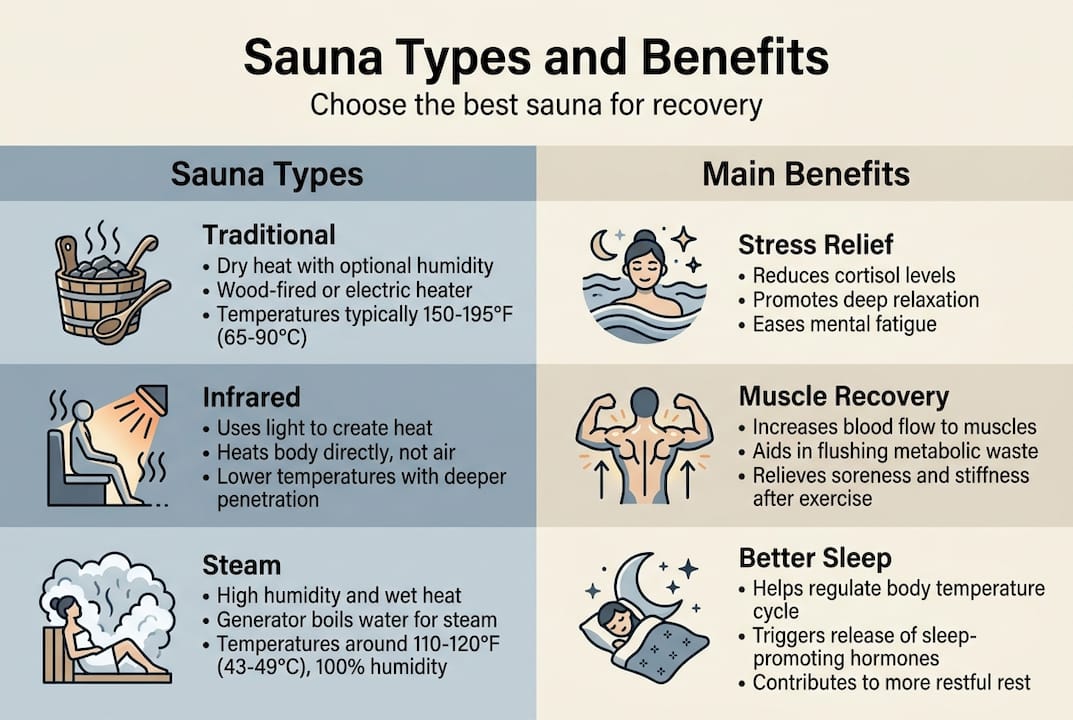
Traditional Finnish saunas operate at 160 to 200°F with low humidity. They produce the most intense cardiovascular response and are the type used in the majority of long-term health studies. If you tolerate heat well and want maximum heart rate elevation, this is a strong starting point.
Infrared saunas use light waves to heat your body directly rather than heating the air around you. Temperatures run lower, between 120 and 150°F, making them more accessible for people who find traditional saunas overwhelming. The evidence supports both formats as safe and effective when used correctly. Protocol and consistency matter more than the specific type.
Steam saunas add high humidity to the heat experience. They're gentler on the respiratory system for some users but can feel suffocating for others. Steam rooms are excellent for skin hydration and opening airways.
Here's a side-by-side comparison to help you decide:
| Sauna type | Best for | Heat tolerance needed | Primary benefit |
|---|---|---|---|
| Traditional Finnish | Cardiovascular health, endurance athletes | High | Heart and longevity |
| Infrared | Beginners, deep tissue recovery | Low to moderate | Muscle and joint relief |
| Steam | Respiratory support, skin care | Low to moderate | Airway and skin health |
Before booking or buying, ask yourself:
- What is my primary goal: recovery, stress relief, cardiovascular health, or sleep?
- How well do I tolerate intense heat?
- Do I have any conditions that require medical clearance first?
- Will I use this consistently enough to build a real routine?
If infrared appeals to you, reviewing infrared sauna sessions available in Las Vegas gives you a clear picture of what a professional setup looks like versus a home unit.
Why most guides get sauna health wrong and what you should really focus on
With the facts and options covered, let's clear up what truly matters when incorporating sauna into your wellness plan. Most popular articles lead with detox. It's a compelling word, and it sells well. But the detox claims are overstated. Your kidneys and liver are the real detox organs. Sweating helps cool you down and expel minor trace elements, but it is not a meaningful cleansing mechanism.
What actually works? Consistency. Safe protocols. Honest self-tracking. The cardiovascular, stress relief, and recovery benefits are well-supported by real science. But they require regular sessions, proper hydration, and a willingness to build gradually rather than chase extreme heat as quickly as possible.
We've seen people try one intense sauna session and claim they feel transformed. That's the novelty effect. Lasting results come from showing up three to four times a week over months, not from a single dramatic sweat. A personalized routine that respects your starting fitness level, heat tolerance, and health history is what delivers long-term benefit. Explore the wellness blog insights we share to stay current on what the research actually supports.
Experience the benefits with expert-guided sauna sessions in Las Vegas
Ready to turn knowledge into transformation? Here's how you can experience real results locally. At Wellness Sauna & Cryotherapy, we make it easy to build a consistent, effective routine with professional support every step of the way. Our infrared sauna sessions are available in clean, private rooms designed for comfort and focus. Whether you're new to heat therapy or looking to optimize an existing routine, our team helps you get more from every session. Explore flexible wellness packages or combine sauna with sauna recovery sessions for the full recovery experience. Book your session today and start feeling the difference.
Frequently asked questions
How often should you use a sauna for health benefits?
Research suggests at least 3 to 4 sessions per week for meaningful gains, with the strongest cardiovascular outcomes seen at 4 to 7 sessions weekly.
Is sauna use safe for most people?
Yes, sauna use is widely safe for healthy adults when guidelines are followed; anyone with a heart condition or serious health concern should consult a doctor before starting.
Which sauna type is best for muscle recovery?
Both traditional Finnish and infrared saunas support recovery; post-exercise sauna use reduces muscle soreness effectively in both formats, with infrared offering slightly deeper tissue heat at lower temperatures.
Does sauna detoxify the body?
Despite popular claims, detox benefits are overstated; the strongest evidence supports cardiovascular health, stress relief, and physical recovery as the primary outcomes.
What should I do before and after using a sauna?
Shower before your session, drink plenty of water throughout, and cool down gradually after to maximize safety and support recovery.