
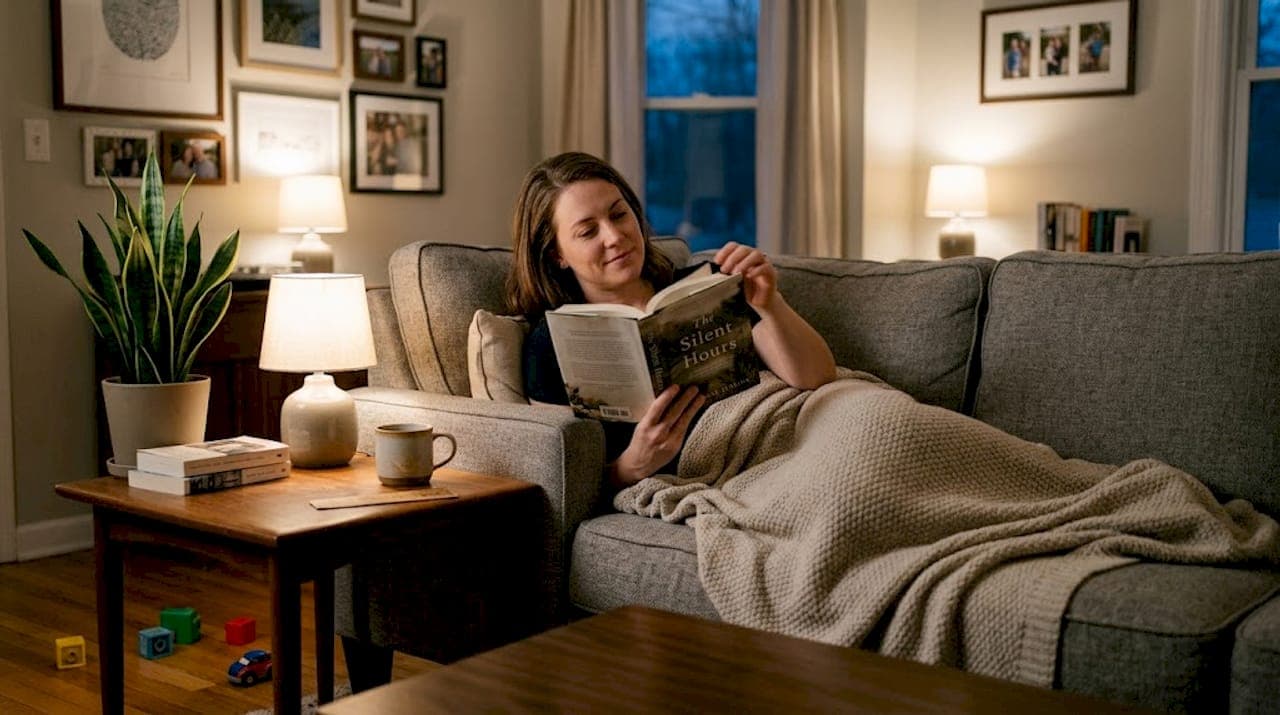
Living in Las Vegas means you're surrounded by energy, noise, and a pace that rarely slows down. Whether you're a professional grinding through long work weeks, an athlete pushing recovery limits, or simply someone trying to sleep better and feel calmer, chronic stress is a real obstacle. Deep breathing techniques can rapidly reduce anxiety and stress within minutes, which means relief doesn't have to be complicated or time-consuming. This guide walks you through how to assess your stress, what tools you need, which techniques work best, and how to build a routine that actually sticks in a city that never stops.
Table of Contents
- Assessing your stress: When and why relaxation therapy helps
- What you need: Tools and preparation for relaxation therapy
- How to perform the top relaxation therapy methods
- Troubleshooting and expert tips for relaxation therapy
- Why the real challenge with relaxation therapy is consistency
- Relaxation therapies in Las Vegas: Your next steps
- Frequently asked questions
Key Takeaways
| Point | Details |
|---|---|
| Science-backed benefits | Relaxation therapy methods offer measurable anxiety and stress relief, especially in high-stress environments. |
| Tools and consistency matter | Simple preparation and daily practice maximize results—focus on routine over perfection. |
| Technique variety is key | Try several evidence-based methods to discover what works best for you. |
| Professional support available | In-person therapies and coaching can enhance and sustain your progress. |
Assessing your stress: When and why relaxation therapy helps
Stress doesn't always announce itself loudly. Sometimes it shows up as tight shoulders, broken sleep, or a short fuse during an otherwise normal day. Recognizing these signals early is the first step toward using relaxation therapy effectively, before stress becomes something harder to manage.
Physically, chronic stress can trigger headaches, muscle tension, digestive issues, and elevated blood pressure. Mentally, it often looks like racing thoughts, difficulty concentrating, irritability, or a persistent sense of being overwhelmed. In a city like Las Vegas, where the line between work and play blurs easily, these symptoms can sneak up on you.
Certain groups tend to benefit most from structured relaxation therapy. These include:
- Busy professionals working high-pressure jobs or irregular hours
- Athletes and active individuals dealing with physical and mental recovery demands
- People managing anxiety or mild to moderate mood challenges
- Anyone transitioning through major life changes or high-demand periods
Research shows small to moderate benefits in high-stress but non-acute settings, meaning relaxation therapy is most effective as a consistent tool rather than a one-time emergency fix. It won't replace clinical treatment for severe conditions, but it delivers real, measurable relief for everyday stress and tension.
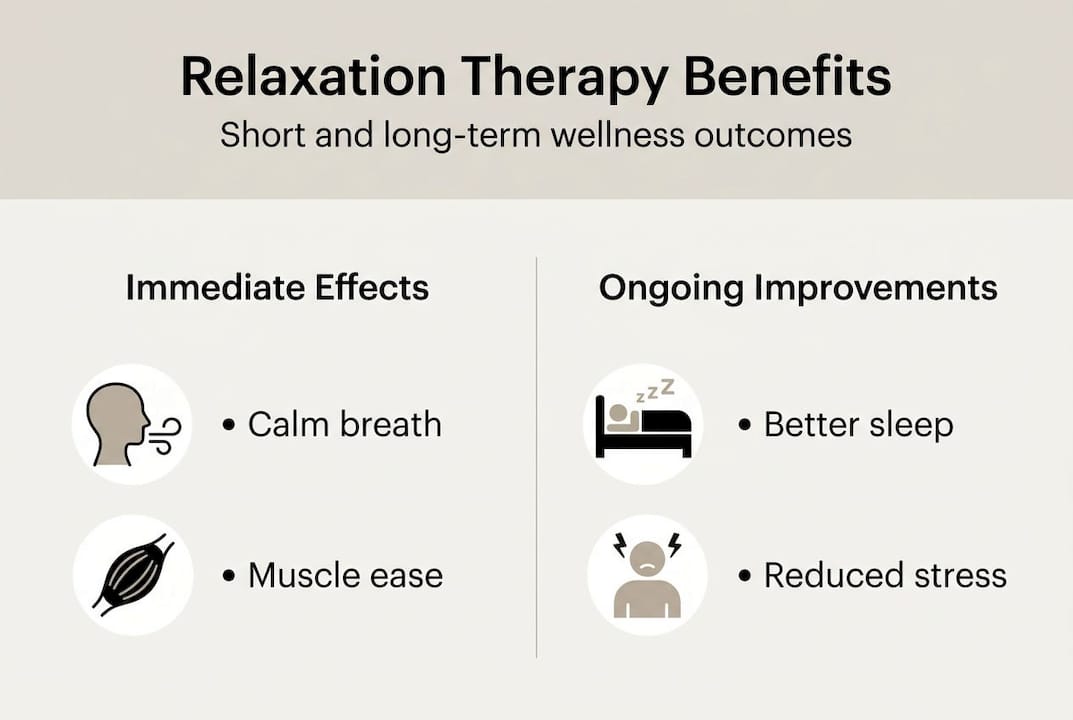
| Timeframe | Expected outcomes |
|---|---|
| First 1-2 sessions | Reduced muscle tension, calmer breathing |
| 2-4 weeks of practice | Lower baseline anxiety, better sleep quality |
| 2-3 months consistently | Improved stress resilience, reduced blood pressure |
Short-term effects are noticeable quickly. Long-term benefits, though, depend on how regularly you practice. Think of it like fitness: one workout helps, but a weekly habit transforms your baseline.
Pro Tip: If you're unsure where to begin, explore relaxation room options that provide a guided, distraction-free environment to experience these techniques with professional support.
Knowing you need relief is step one. Setting yourself up properly is step two.
What you need: Tools and preparation for relaxation therapy
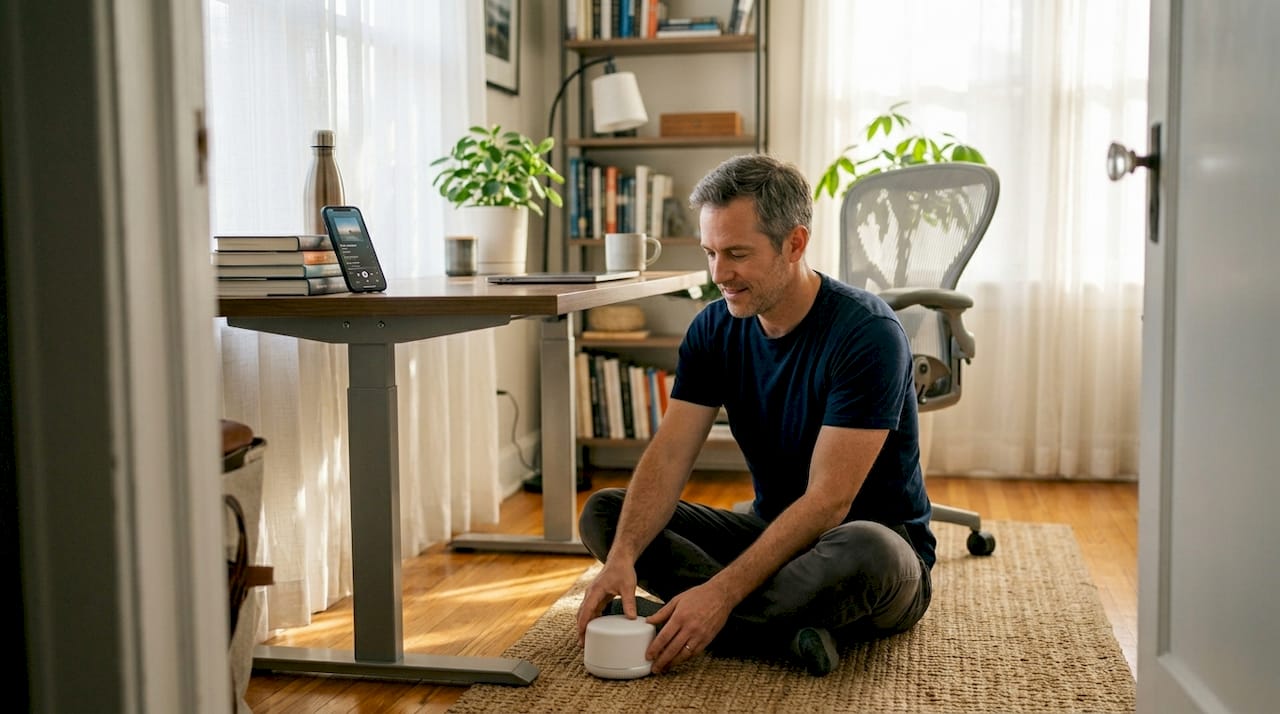
One of the biggest reasons people abandon relaxation therapy is poor setup. Trying to practice deep breathing while your phone buzzes and the TV runs in the background simply doesn't work. Success starts with intentional preparation.
Here's what you'll need at a minimum:
- A quiet space free from interruptions for at least 10-20 minutes
- Comfortable clothing that doesn't restrict breathing or movement
- A mat or cushioned surface for body-based techniques like progressive muscle relaxation
- A timer or guided audio to keep sessions structured without mental effort
- A consistent time slot in your daily schedule, ideally morning or early evening
Optional tools can meaningfully enhance your experience. A white noise machine or calming playlist reduces background distractions. Essential oils like lavender or eucalyptus can signal your nervous system that it's time to shift gears. A journal nearby lets you note how you feel before and after, which helps you track progress over time.
Choosing the right setting matters too. At home works well once you've built the habit. Outdoors in a calm park adds a sensory layer that supports relaxation. A dedicated wellness studio, however, offers something harder to replicate at home: a professionally designed environment with no competing demands on your attention.
| Setting | Pros | Cons |
|---|---|---|
| Home | Convenient, free, flexible | Distractions, limited equipment |
| Outdoors | Fresh air, natural sensory input | Weather-dependent, less private |
| Wellness studio | Guided, immersive, distraction-free | Requires travel, scheduling |
Studies on relaxation methods consistently use progressive muscle relaxation and breathing as core techniques, and both require nothing more than your body, your breath, and a calm space. If you want to add a sensory layer, dry float therapy with red light creates an immersive zero-gravity environment that naturally deepens the relaxation response.
One underrated insight: these methods work better when practiced regularly in calm states, not just when you're already overwhelmed. Building the skill during low-stress moments means it's available and effective when you actually need it most.
How to perform the top relaxation therapy methods
Once your environment is ready, the techniques themselves are straightforward. Here are three evidence-backed methods you can start today.
4-7-8 breathing
- Sit or lie comfortably with your back straight.
- Exhale completely through your mouth.
- Close your mouth and inhale quietly through your nose for 4 counts.
- Hold your breath for 7 counts.
- Exhale completely through your mouth for 8 counts.
- Repeat this cycle 3-4 times to start.
Progressive muscle relaxation (PMR)
- Lie down in a comfortable position.
- Starting with your feet, tense the muscles firmly for 5 seconds.
- Release the tension and notice the feeling of relaxation for 10 seconds.
- Move upward through your calves, thighs, abdomen, hands, arms, shoulders, and face.
- Complete the full body scan in 15-20 minutes.
Guided imagery
- Close your eyes and take three slow, deep breaths.
- Visualize a calm, safe place in vivid detail: the sounds, textures, temperature, and colors.
- Stay in that mental space for 10-15 minutes, returning gently when your mind wanders.
- Slowly bring your awareness back and open your eyes.
"Cyclic sighing reduces anxiety by one-third more than mindfulness meditation, making breath-focused techniques among the most efficient tools available."
For those who want to pair breathwork with physical recovery, exploring contrast therapy approaches that alternate heat and cold can amplify the nervous system reset these techniques initiate.
Pro Tip: Practice these methods daily during low-stress moments, like after your morning coffee or before bed. Doing so builds the neural pathways that make them automatic and effective when real stress hits.
Troubleshooting and expert tips for relaxation therapy
Even well-intentioned practice can go sideways. Knowing the common pitfalls helps you stay on track and get real results.
Common mistakes to avoid:
- Trying too hard to relax. Forcing yourself to feel calm creates its own tension. Let the technique do the work.
- Multitasking during sessions. Checking your phone or thinking through your to-do list defeats the purpose entirely.
- Skipping sessions when stressed. Ironically, high-stress moments are when people most often skip practice, which is exactly when they need it.
- Expecting instant transformation. Results build over days and weeks, not in a single session.
If you feel discomfort, lightheadedness, or emotional distress during a session, stop immediately. Take a few normal breaths, sit upright, and give yourself a moment before reassessing. Some techniques, particularly deep breathing, can occasionally cause dizziness if done too intensely.
Combining relaxation therapy with CBT or MBSR may enhance effects, though individuals with trauma histories should monitor for rare dissociation and consult a professional.
If a single method isn't delivering results after two to three weeks, try layering approaches. Pairing PMR with guided imagery, for example, engages both the physical and mental dimensions of stress simultaneously. Adding mindfulness-based stress reduction (MBSR), which is an 8-week structured program, can significantly deepen the benefits.
To evaluate whether your method is working, track three things weekly: sleep quality, mood stability, and physical tension levels. A simple 1-10 rating in a journal is enough. If scores improve gradually, you're on the right path. For more ideas and guidance, visit the wellness blog or review wellness packages that combine multiple therapies for a more complete recovery approach.
Why the real challenge with relaxation therapy is consistency
Here's something most guides won't tell you: the technique you choose matters far less than how often you use it. Research consistently shows that best results come with practice in calm states and as a lifestyle habit, not as a crisis response.
In Las Vegas, where high energy is the norm and downtime can feel unproductive, this is the real obstacle. People try a breathing exercise once, feel mildly better, and then forget about it until the next stressful week. That cycle produces minimal long-term change.
The truth is, relaxation therapy is a skill. Like strength training or learning an instrument, the benefits compound with repetition. A five-minute daily practice will outperform a 45-minute session done once a month, every time. Short, consistent routines are what make the difference in a busy Las Vegas lifestyle. Explore relaxation room experiences to build structure around your practice in a setting designed to support it.
Relaxation therapies in Las Vegas: Your next steps
Building a consistent relaxation practice on your own is a great start, but combining self-practice with guided, in-person therapies takes your results to a different level.
At Wellness Sauna and Cryotherapy in Las Vegas, we offer therapies designed to deepen the relaxation response your breathwork and PMR practice initiates. Infrared sauna sessions promote circulation and full-body tension release in a private, calming environment. Pairing that with contrast therapy creates a powerful nervous system reset that supports both physical recovery and mental calm. Browse our wellness packages to find a combination that fits your goals and schedule. Your next step toward lasting stress relief starts here.
Frequently asked questions
What is the fastest relaxation therapy method?
Cyclic sighing and 4-7-8 breathing show the fastest anxiety reduction, often delivering noticeable calm within just a few minutes of practice.
Are relaxation therapy methods safe for everyone?
Most techniques are safe for the general population, but rare dissociation can occur in individuals with trauma histories, so consulting a professional before starting is always a smart choice.
How often should I practice relaxation techniques for best results?
Daily practice yields the strongest results, especially when sessions happen during calm moments to build skill and resilience over time.
Can relaxation therapy help with chronic medical conditions?
Relaxation therapy can reduce short-term blood pressure and anxiety meaningfully, but it works best as a complement to medical care rather than a replacement for it.