
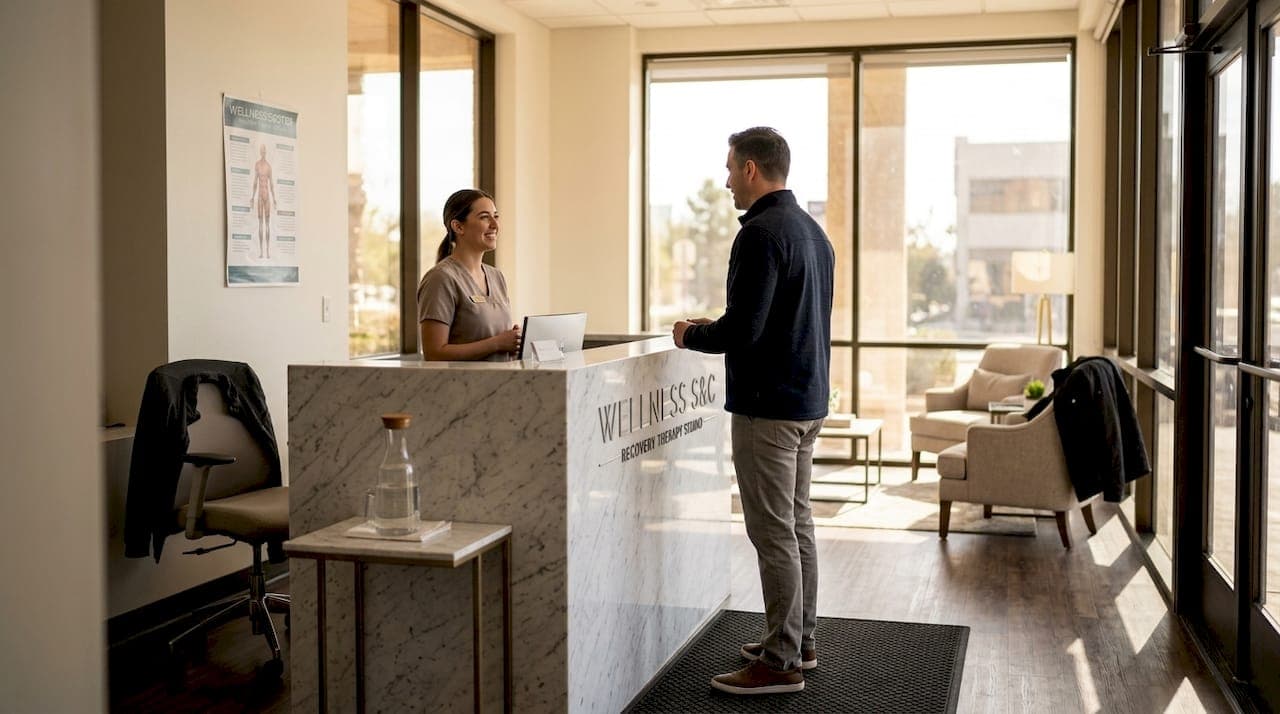
Picking a wellness center in Las Vegas feels overwhelming. The city is packed with spas, studios, and recovery lounges all promising transformative results, but quality varies dramatically. Some centers invest in science-backed therapies and credentialed staff. Others rely on trendy aesthetics and little else. If you want real recovery, reduced stress, and measurable performance gains, you need a smarter way to evaluate your options. This checklist cuts through the noise by grounding every recommendation in research and expert insight. By the end, you'll know exactly what to look for, which therapies actually deliver, and how to match treatments to your personal goals.
Table of Contents
- What to look for in a top-tier wellness center
- Therapies that work: Evidence-backed services in Las Vegas
- How to compare therapies: Evidence, safety, and real-world outcomes
- Personalization and edge cases: Getting results that last
- Our perspective: What most checklists miss about wellness centers
- Ready to put this checklist to work?
- Frequently asked questions
Key Takeaways
| Point | Details |
|---|---|
| Prioritize accreditation | Centers with proper accreditation and outcome tracking ensure safer and more effective care. |
| Choose evidence-based therapies | Red light, infrared sauna, and compression have the best support for recovery and performance. |
| Personalize your regimen | Adapt your therapy mix and frequency to your individual goals, health needs, and results. |
| Beware unproven trends | Avoid facilities that rely on poorly supported modalities like halotherapy as a main feature. |
| Focus on outcomes | Track measurable progress and reassess your plan every few weeks for sustained well-being. |
What to look for in a top-tier wellness center
Not all wellness centers are created equal. The difference between a center that produces lasting results and one that simply looks impressive often comes down to a few non-negotiable standards.
Accreditation is your first filter. Reputable centers prioritize accreditation, evidence-based therapies, qualified staff, favorable staff-to-client ratios, aftercare support, and outcome tracking. These are the hallmarks of a facility built for real results, not just relaxation theater.
Staff credentials matter just as much as equipment. Ask about certifications, ongoing training, and whether practitioners tailor sessions to your specific health history. A center with a low staff-to-client ratio means more personalized attention and fewer generic protocols applied across the board.
Centers that address both mental and physical recovery, and actively track client progress over time, consistently outperform those focused solely on amenities or single-modality treatments.
Goal tracking and aftercare support round out the picture. You should leave each session with a clear sense of how it contributes to your broader wellness plan. Explore the service menu and wellness packages at your shortlisted centers to see whether they offer structured progression.
Quick checklist:
- Verified accreditation and licensing
- Evidence-based therapy offerings
- Credentialed, specialized staff
- Low staff-to-client ratio for personalized care
- Individualized treatment plans
- Progress and outcome tracking
- Aftercare support and reassessment scheduling
Pro Tip: Always ask a center directly for their therapy outcome statistics. Any reputable facility should be willing to share client progress data or at least point you to the clinical studies supporting their services.
Therapies that work: Evidence-backed services in Las Vegas
Now that you know what to prioritize in a wellness center, let's break down the therapies with true results and science behind them.
Las Vegas has a growing ecosystem of recovery-focused studios. Studios across the city offer services including infrared sauna, red light therapy, hyperbaric oxygen, PEMF (pulsed electromagnetic field therapy), compression, float tanks, cryotherapy, and contrast therapy, all targeting stress reduction, recovery, and athletic performance.
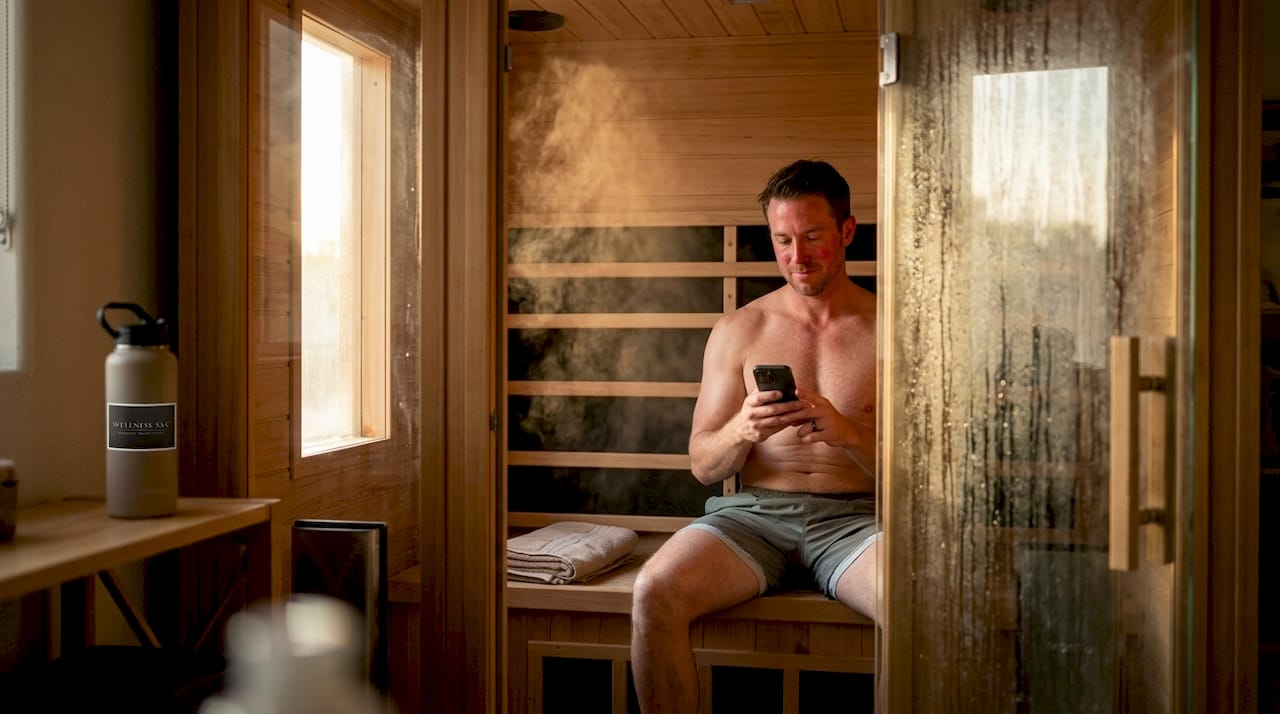
Not every therapy carries the same weight of evidence. Here's a quick breakdown:
| Therapy | Core benefit | Evidence level |
|---|---|---|
| Red light therapy | Cellular repair, inflammation | High |
| Infrared sauna | Cardiovascular health, detox | High |
| Compression therapy | Circulation, muscle recovery | High |
| Floatation therapy | Stress, PTSD symptom relief | High |
| Cryotherapy | Inflammation, soreness | Moderate |
| PEMF therapy | Tissue repair, pain reduction | Moderate |
| Halotherapy (salt) | Respiratory support | Lower |
Research shows strong support for red light, compression, floatation, and traditional sauna for longevity and cardiovascular risk reduction. Halotherapy carries lower evidence and is best treated as a complementary add-on rather than a primary recovery tool.
A notable statistic: an umbrella review found photobiomodulation (the clinical term for red light therapy) produced an SMD (standardized mean difference) of 1.25 for fatigue reduction, indicating a meaningful, real-world benefit.
Best therapy matches by goal:
- Stress and mental recovery: Floatation therapy, infrared sauna, red light therapy
- Athletic performance and muscle recovery: Contrast therapy, compression, cryotherapy
- Inflammation and pain relief: Red light therapy, PEMF, infrared sauna
- Sleep and deep relaxation: Dry float with red light, infrared sauna
Sticking with well-researched modalities gives you a foundation you can build on confidently.
How to compare therapies: Evidence, safety, and real-world outcomes
With so many therapy options in Las Vegas, how do you compare and choose what actually fits your needs?
Start with a simple three-step framework before booking anything.
- Define your outcome. Are you chasing faster muscle recovery, stress relief, better sleep, or long-term cardiovascular health? Your primary goal shapes everything else.
- Check the evidence. Photobiomodulation research shows moderate certainty benefits for fibromyalgia fatigue, knee osteoarthritis, and pain reduction. Post-exercise infrared sauna does not impair muscle growth and may enhance long-term neuromuscular performance. These are the kinds of claims worth prioritizing.
- Assess safety and personal fit. Consider your health history, sensitivities, and schedule before committing to a modality.
Here's a side-by-side comparison to support your decision:
| Modality | Key benefit | Evidence strength | Safety notes |
|---|---|---|---|
| Infrared sauna | Performance, detox | Strong | Avoid long sessions if heat-sensitive |
| Red light therapy | Pain, cellular health | Strong | Safe for most, avoid eyes |
| Cryotherapy | Inflammation, soreness | Moderate | Short sessions, avoid if cold-intolerant |
| Floatation | Stress, PTSD relief | Strong | Generally very safe |
| Compression | Circulation, recovery | Strong | Monitor if circulatory issues |
| PEMF | Tissue repair | Moderate | Avoid with implanted devices |
| Halotherapy | Respiratory | Lower | Generally safe, limited efficacy data |
For deeper reading on individual services, the infrared sauna benefits and cryotherapy options pages are useful starting points. The wellness topics blog also covers updated research regularly.
Pro Tip: When you visit a center, ask for the clinical studies backing their primary services. A confident, results-driven facility will have this information ready. If staff can't point to any evidence, take that as a signal.
Avoid stacking too many modalities in one session without guidance. More is not always better, and combining high-intensity therapies without recovery time in between can blunt results.
Personalization and edge cases: Getting results that last
Choosing by evidence and outcomes is key, but the best results come from tailoring therapies to your unique needs and circumstances.
No single protocol works for every body. Your age, fitness level, current health conditions, stress load, and recovery timeline all influence which therapies will work best and at what frequency. A marathon runner has different recovery needs than a desk-bound professional managing chronic stress. Both can benefit from wellness therapies. Neither should follow the exact same plan.
Personalized, non-invasive therapy plans backed by randomized controlled trials and meta-analyses consistently outperform generic programs. Avoid over-relying on modalities like halotherapy that lack strong independent evidence, especially if you're using them as a substitute for more proven treatments.
Some populations need extra care:
- Heart conditions: Avoid high-heat or intense cold therapies without physician clearance
- Pregnancy: Many thermotherapy and cryotherapy sessions are contraindicated
- Inflammation-prone individuals: Shorter, more frequent infrared sauna sessions may serve better than prolonged ones
- Heat-sensitive users: Long sauna sessions may disrupt sleep and slow recovery for some individuals, so session length needs monitoring
- High-stress professionals: Floatation and red light combinations tend to offer compounding benefits for cortisol regulation
Personalization also means monitoring your results. Track energy levels, sleep quality, soreness, and mental clarity across sessions. Adjust based on what you observe, not just what feels enjoyable in the moment.
Pro Tip: Reassess your therapy plan every 2 to 4 weeks. What works in week one may need adjustment by week six as your body adapts. Structured wellness memberships at your wellness center can help build this habit into your routine.
Our perspective: What most checklists miss about wellness centers
It's easy to get dazzled by aesthetics. Beautifully designed lounges, ambient lighting, and premium branding signal quality, but they don't guarantee results. This is the most consistent lesson we've observed watching the Las Vegas wellness scene evolve.
Luxury spa environments like Canyon Ranch offer high-end amenities, but standalone wellness studios often provide more flexible, multi-modality access without the need for reservations weeks in advance. That accessibility matters enormously for residents building a consistent recovery routine.
The real gap in most wellness center checklists is this: they evaluate appearance, not accountability. They ask whether a center looks reputable rather than whether it tracks and reports real client outcomes.
We believe the most valuable thing a wellness checklist can do is give you the confidence to ask better questions. Demand evidence. Ask how results are measured. Inquire about what happens if a therapy isn't working. The centers that welcome those questions are the ones worth your time and trust.
Your recovery and well-being deserve more than a well-decorated room. They deserve a plan grounded in science, adapted to you personally, and evaluated against real results. Explore the wellness services that reflect this standard.
Ready to put this checklist to work?
You now have a clear, evidence-based framework for evaluating any wellness center in Las Vegas. The next step is finding a place that actually meets those standards. At Wellness Sauna & Cryotherapy, every service we offer, from infrared sauna in Las Vegas to red light therapy options, is grounded in research and tailored to your goals. Our private rooms, premium equipment, and credentialed team are here to support real recovery and lasting results. Browse our wellness center packages and book your first session today. Your best recovery starts with the right choice.
Frequently asked questions
How do I verify if a wellness center is accredited or reputable?
Look for national accreditations, review staff qualifications, and request outcome data or client testimonials. Reputable centers make accreditation and outcome tracking a visible part of their standard practice.
Which therapy has the highest scientific evidence for aiding recovery?
Red light therapy and infrared sauna consistently rank highest across research reviews. Strong evidence supports both for reducing pain, improving circulation, and supporting cellular recovery, while photobiomodulation studies confirm moderate-to-high certainty benefits for fatigue and inflammation.
Are heat therapies like sauna safe for everyone?
Most people tolerate heat therapies well in short sessions, but those with cardiovascular conditions, heat sensitivity, or active inflammation should proceed with extra caution. Research indicates that long sessions may impair sleep and recovery for sensitive users.
How often should I revisit my therapy plan?
Reassessing every 2 to 4 weeks keeps your plan aligned with how your body is actually responding. Consistent reassessment ensures you're building on progress rather than repeating sessions that have plateaued.