

Athletic recovery is one of the most misunderstood areas in health and fitness. Many people chase extreme cleanses, costly supplements, or trendy juice protocols, believing these shortcuts will flush out fatigue and restore performance faster. The truth is more straightforward and more powerful. Evidence-backed detoxification strategies rooted in nutrition, hydration, and personalized recovery practices consistently deliver better results. Whether you train hard in the Las Vegas heat or simply want to feel more energized and restored, this guide breaks down what actually works, why it works, and how to apply it to your daily routine.
Table of Contents
- Understanding detoxification: What really matters for recovery
- Core nutrition strategies: Fueling natural detox post-exercise
- The real role of juice and herbal supplements in detoxification
- Personalized strategies: Listening to your body and environment
- Our take: Why simple, personalized basics outperform complex detox protocols
- Unlock deeper recovery at Wellness Las Vegas
- Frequently asked questions
Key Takeaways
| Point | Details |
|---|---|
| Prioritize nutrition | Carbohydrates, protein, and hydration are your top tools for effective detox and recovery. |
| Supplements are optional | Juice and herbal supplements may help a little, but basics always matter most for real results. |
| Personalize for results | Adapt your strategy to your body and local conditions, especially in extreme Las Vegas environments. |
| No extreme protocols | Simple, evidence-based approaches are safer and more effective than harsh cleanses or aggressive detox regimens. |
Understanding detoxification: What really matters for recovery
The word "detoxification" gets used loosely in wellness marketing, but biologically it refers to your liver and kidneys filtering waste products, metabolic byproducts, and harmful compounds from your blood. Your body does this continuously. After intense exercise, your liver and kidneys work harder because metabolic waste increases significantly. The goal of any recovery strategy should be to support these organs, not override them with aggressive protocols.
Here is where many athletes go wrong. Extreme juice fasts, herbal cleanses, and supplement stacks are often marketed as the fastest path to recovery. But these approaches can actually stress your digestive system and deprive your body of the macronutrients it needs most after training. Your body's natural detox system is remarkably efficient when given the right fuel.
The latest recovery guidelines confirm that post-exercise recovery depends on carbohydrate intake of 1 to 1.2 g/kg/h in the first four hours, 20 to 40 grams of high-quality protein, and hydration with electrolytes. These fundamentals indirectly support liver and kidney function by reducing metabolic stress and restoring fluid balance.
Key recovery priorities for athletes and wellness-focused individuals include:
- Hydration with electrolytes to replace fluids lost through sweat and support kidney filtration
- Carbohydrate replenishment to restore glycogen and reduce cortisol-driven inflammation
- High-quality protein to repair muscle tissue and support liver enzyme production
- Sleep and rest to allow the body's natural repair cycles to complete
- Avoiding harsh cleanses that deprive the body of essential nutrients during the recovery window
"The basics of recovery nutrition are not glamorous, but they are the most powerful tools available to athletes. Nutrient timing and hydration consistently outperform aggressive detox protocols in real-world outcomes." — Sports Nutrition Research Review, 2025
You can find more evidence-based guidance across our wellness recovery posts if you want to go deeper on specific topics.
Core nutrition strategies: Fueling natural detox post-exercise
With a foundation in what detoxification truly means, let's look at the core nutrition strategies proven to enhance your body's natural detox processes after exercise.
Timing matters more than most people realize. The carbs and protein co-ingestion window within 24 hours post-exercise is critical for maximizing glycogen restoration and muscle repair. Here is a practical breakdown of what your body needs and when:
- Within 30 minutes post-exercise: Consume a fast-digesting carbohydrate source like a banana, white rice, or a sports drink with electrolytes. This kickstarts glycogen replenishment immediately.
- Within 2 hours: Add 20 to 40 grams of high-quality protein. Lean chicken, Greek yogurt, eggs, or a whey protein shake all work well. Protein at this stage supports muscle repair and liver enzyme activity.
- Within 4 hours: Aim for a complete recovery meal combining complex carbohydrates, protein, and healthy fats. Think grilled salmon with sweet potato and leafy greens.
- Throughout the day: Keep sipping water with added electrolytes. In Las Vegas, where temperatures regularly exceed 100°F, this step is non-negotiable.
| Nutrient | Target amount | Timing | Primary benefit |
|---|---|---|---|
| Carbohydrates | 1 to 1.2 g/kg/h | First 4 hours | Glycogen restoration |
| Protein | 20 to 40 g | Within 2 hours | Muscle repair and liver support |
| Electrolytes | Based on sweat loss | Immediately and ongoing | Kidney function and hydration |
| Fluids | 1.5x sweat volume | Continuous | Detox organ support |
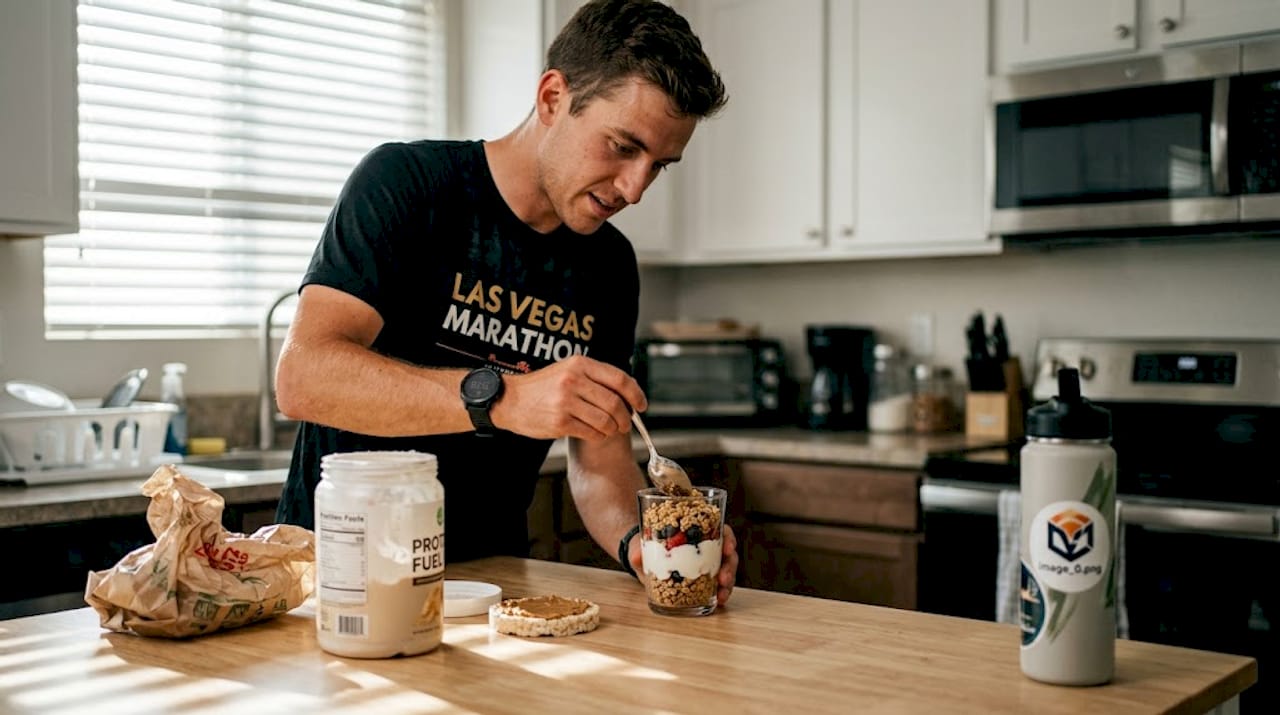
Best food sources for Las Vegas athletes on the go include Greek yogurt parfaits, rice cakes with nut butter, pre-made protein shakes, and electrolyte-rich coconut water. These are easy to pack and consume quickly after a session.
Pro Tip: Pair your recovery meal with a session in our steam oxygen pod to amplify circulation and support your body's natural detox processes through increased oxygen delivery and gentle perspiration.
Why does this matter for detoxification specifically? Proper macronutrient intake reduces the burden on your liver by lowering systemic inflammation and providing the substrates your liver needs to process waste efficiently. Skipping this step forces your liver to work harder with fewer resources.
The real role of juice and herbal supplements in detoxification
Nutrition forms the core, but what about trendy juices and herbal detox supplements? Let's separate the hype from reality.
The research on juice supplements for sports recovery is genuinely interesting, but it comes with important caveats. Juice supplements like beetroot, pomegranate, and tart cherry may reduce soreness and inflammation in some contexts. Beetroot juice, for example, has shown modest improvements in endurance performance due to its nitrate content. Tart cherry juice has demonstrated some reduction in muscle soreness after intense exercise. These are real effects, but they are modest.
The critical point is that supplement evidence remains mixed and these products are not superior to foundational nutrition. They work best as additions to a solid recovery diet, not replacements for it.
Pros and cons of juice-based supplements:
- Pro: Beetroot and tart cherry may reduce inflammation markers after endurance exercise
- Pro: Convenient and easy to consume immediately post-workout
- Pro: Generally safe when used in moderate amounts
- Con: Expensive relative to whole food alternatives with similar benefits
- Con: High sugar content in some commercial products can interfere with fat metabolism
- Con: Evidence is inconsistent across different athlete populations and training types
| Option | Effectiveness | Cost | Risk level |
|---|---|---|---|
| Beetroot juice | Moderate for endurance | Medium | Low |
| Tart cherry juice | Moderate for soreness | Medium | Low |
| Herbal detox blends | Limited evidence | High | Medium |
| Whole food recovery meal | Strong across all goals | Low | Very low |
| Electrolyte drinks | Strong for hydration | Low to medium | Low |
For most athletes, whole food strategies deliver stronger, more consistent results at a lower cost. You can explore additional detox supplement guidance on our site to understand how therapeutic services complement your nutrition approach.
Personalized strategies: Listening to your body and environment
Supplements and foods are important, but personalizing your detox based on your unique body and environment is crucial for optimal recovery.
Not everyone recovers the same way. Overtraining and hot environments place extra strain on detox organs, and factors like training volume, dietary patterns, and climate all change what your body needs. A vegan athlete, for example, may need higher total protein intake to meet the same repair demands as an omnivore. Someone training twice daily in Las Vegas summer heat faces a very different hydration challenge than someone in a controlled indoor gym.
Here is a step-by-step approach to personalizing your recovery strategy:
- Track your training load. If you are increasing volume or intensity, your recovery nutrition needs increase proportionally. More output requires more input.
- Monitor key biomarkers. Resting heart rate, sleep quality, energy levels, and muscle soreness are practical daily indicators. Formal biomarker monitoring through blood panels can reveal deeper issues like elevated cortisol or low ferritin.
- Adjust for Las Vegas heat. You lose significantly more electrolytes through sweat in extreme heat. Add sodium and potassium to your hydration plan and increase total fluid intake by at least 20 to 30 percent on hot training days.
- Experiment with recovery therapies. Contrast therapy combining cold plunge and sauna has shown strong results for reducing inflammation and supporting circulation, especially after high-intensity sessions in the heat.
- Rest and reassess. Give any new strategy at least two to three weeks before judging its effectiveness. Recovery adaptations are not always immediate.
Pro Tip: If you feel consistently fatigued despite solid nutrition, it may be time to consult a professional. Our personalized wellness packages are designed to complement your existing routine and address the specific demands of your training and lifestyle.
Our take: Why simple, personalized basics outperform complex detox protocols
After working with a wide range of clients in Las Vegas, from competitive athletes to busy professionals managing high-stress schedules, we have seen one pattern repeat itself consistently. The people who recover best are not the ones following the most elaborate detox programs. They are the ones who nail the fundamentals every single day.
The wellness industry profits from complexity. New supplements, exotic juices, and multi-step cleanse protocols generate excitement and revenue. But in practice, the athletes and clients who prioritize nutrient timing, consistent hydration, and personalized recovery strategies outperform those chasing the latest trend every time.
Las Vegas adds a unique layer to this. The heat, the lifestyle, and the training culture here demand that you respect your body's signals. Ignoring fatigue or pushing through poor recovery because a supplement promises a shortcut is a path to injury and burnout.
We encourage you to read real-life recovery stories from people who have found lasting results by trusting the basics and layering in smart therapeutic support. The evidence points in one direction. Simple, personalized, and consistent always wins.
Unlock deeper recovery at Wellness Las Vegas
Ready to take your recovery routine further? Here's how you can apply these tips with tailored options near you.

At Wellness Las Vegas, every service we offer is designed to complement the evidence-backed strategies covered in this article. Our infrared sauna sessions promote deep perspiration and circulation to support your body's natural detox processes after training. Our contrast therapy sessions combine cold plunge and sauna to reduce inflammation and accelerate muscle repair. And our custom recovery packages are built around your specific goals, training load, and lifestyle. Book your session today and experience what personalized, science-backed recovery feels like in a premium, private setting.
Frequently asked questions
What's the best post-exercise meal for detoxification and recovery?
A balanced meal within 4 hours post-exercise featuring carbohydrates and protein at 1 to 1.2 g/kg/h and 20 to 40 grams of protein respectively, plus hydrating fluids, supports both detox organ function and muscle repair.
Do detox juices or herbal supplements help recovery?
Some options like beetroot or tart cherry juice may reduce soreness slightly, but supplement evidence is mixed and neither is superior to a solid foundation of nutrition and hydration.
How do I adjust my detox routine for Las Vegas heat?
Increase fluid and electrolyte intake by at least 20 to 30 percent on hot training days, monitor your body's response closely, and consider hot environment recovery strategies like contrast therapy or cold plunge for added support.
Are there risks to aggressive detox protocols?
Yes. Harsh cleanses or extreme regimens may strain the body and are rarely more effective than proven nutrition and hydration. Experts consistently prioritize evidence-based basics over aggressive protocols due to potential risks and limited added value.