
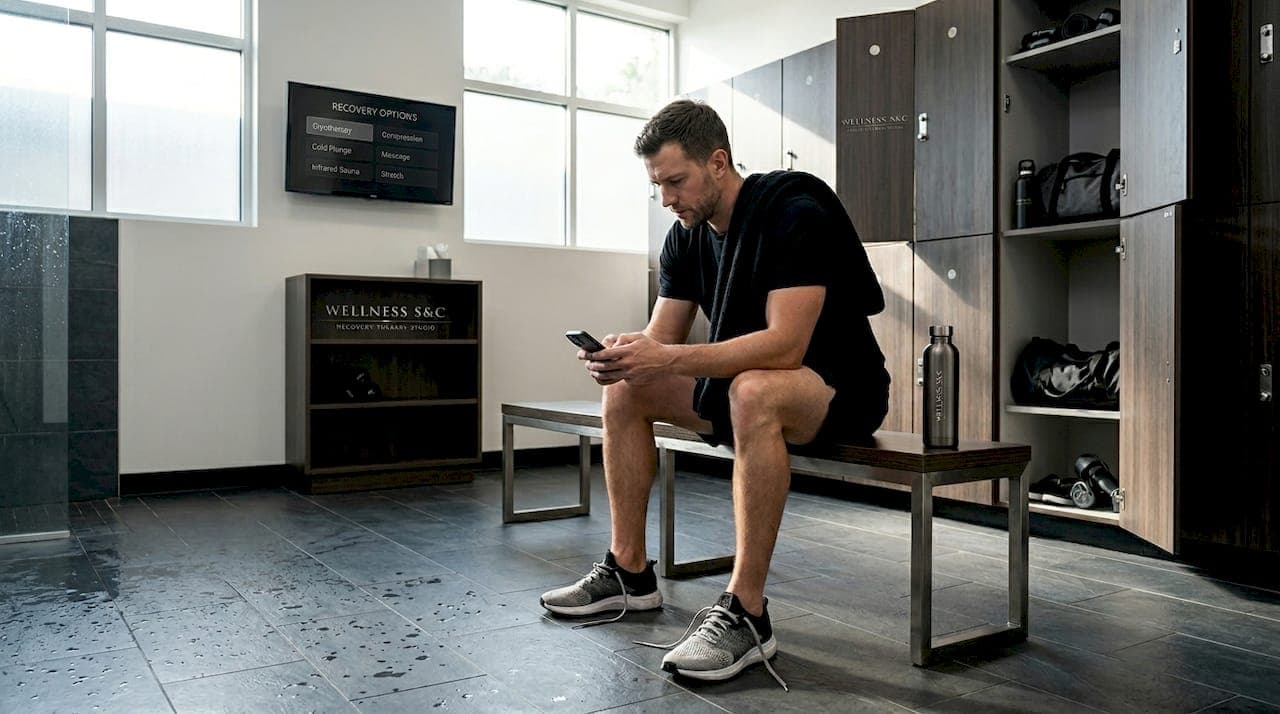
You've probably heard the debate: three minutes in a cryotherapy chamber or fifteen minutes in an ice bath? Both have loyal fans. Both feel intense. And both promise faster recovery, less soreness, and better performance. But the honest truth is that empirical data shows mixed results for both methods, with neither consistently outperforming a placebo in controlled settings. That's a surprising finding worth sitting with, especially if you've been spending serious time and money on cold recovery. This article breaks down exactly what each method does, what the science actually says, and how to make a smart, personalized decision for your recovery routine.
Table of Contents
- What are cryotherapy and ice baths?
- How do cryotherapy and ice baths affect muscle recovery?
- Cryotherapy vs ice bath: Method comparison
- How to choose: Personalizing your recovery routine
- What most recovery guides get wrong about cold therapy
- Ready to try cryotherapy or cold immersion in Las Vegas?
- Frequently asked questions
Key Takeaways
| Point | Details |
|---|---|
| Similar short-term results | Both cryotherapy and ice baths can reduce soreness for about 24 hours, with effects comparable to placebos. |
| Choose based on preference | Personal accessibility, cost, and comfort often matter more than subtle performance differences. |
| Placebo plays a role | Belief and routine may help boost recovery as much as the cold exposure itself. |
| Safety and context matter | Pick the method that fits your training type, health status, and recovery goals for best outcomes. |
What are cryotherapy and ice baths?
Before comparing the two, it helps to understand what you're actually signing up for with each option.
Whole-body cryotherapy (WBC) involves standing inside a specialized chamber filled with vaporized nitrogen or extremely cold air, typically at temperatures between minus 166°F and minus 220°F (minus 110°C to minus 140°C). Sessions last two to four minutes. The cold hits your skin surface intensely, triggering a rapid physiological response, but your core body temperature barely changes. It's a short, sharp shock to the system. The experience is surprisingly manageable. Think of it like stepping outside into a brutal winter blast, except it's over in minutes and you're in a controlled, supervised environment.
Ice baths (cold water immersion or CWI) work differently. You submerge yourself in water, typically between 50°F and 59°F (10°C to 15°C), for 10 to 15 minutes. The cold penetrates deeper into muscle tissue because water conducts heat far more efficiently than cold air. This is why a 55°F ice bath can feel more intense than a cryotherapy chamber that's technically much colder. Water doesn't lie.
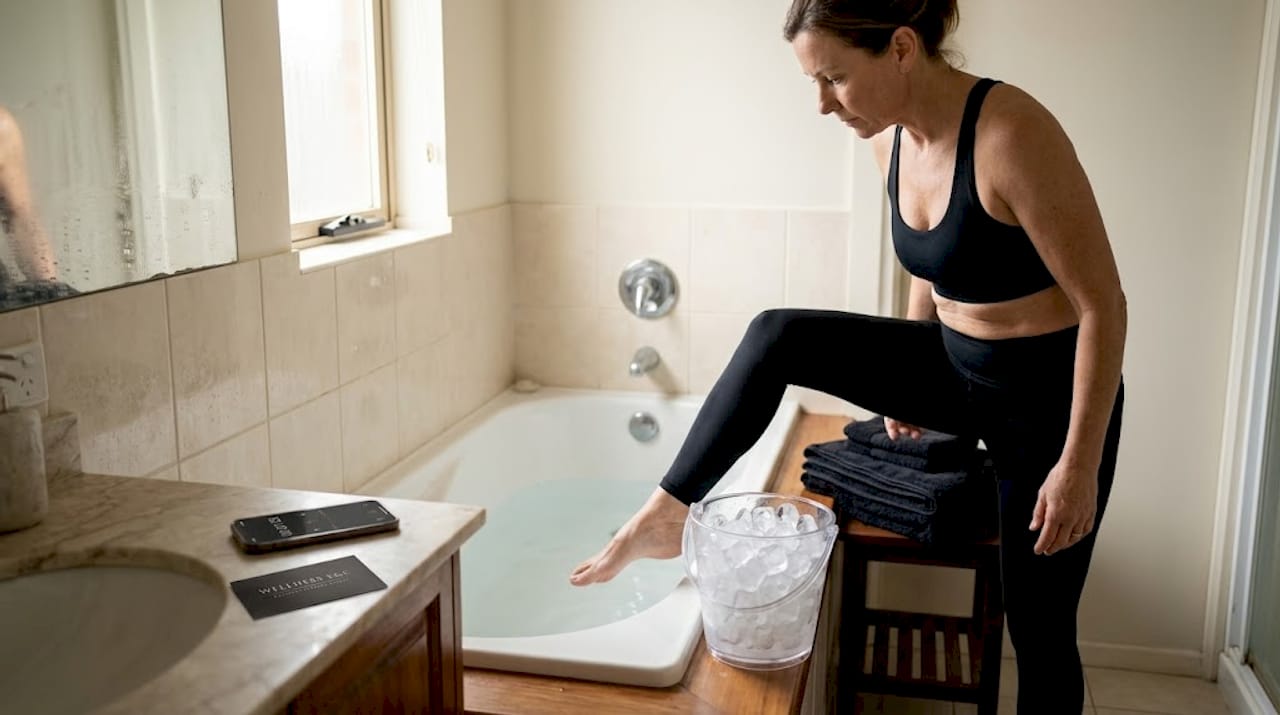
Both cryotherapy and cold water immersion are used by athletes and health-conscious individuals targeting perceived muscle soreness and inflammation. The user base spans professional sports teams, weekend trail runners, competitive CrossFitters, and everyday gym-goers who want to feel better faster.
Here's a quick snapshot of the key differences in experience:
- Setup time: Cryotherapy takes roughly 5 minutes total including prep. Ice baths require filling a tub with ice or cold water, which can take 15 to 20 minutes.
- Accessibility: Ice baths can be done at home with a bathtub and bags of ice. Cryotherapy benefits require access to a professional facility with the right equipment.
- Duration of exposure: Cryotherapy sessions last 2 to 4 minutes. Ice baths typically run 10 to 15 minutes.
- Depth of cooling: Ice baths cool both skin and underlying muscle tissue. Cryotherapy primarily impacts the skin and outer layers.
- Comfort level: Many users find cryotherapy more tolerable despite the extreme temperature because the session ends so quickly. Others prefer the steady, familiar sensation of cold water.
Pro Tip: If you're new to cold therapy, start with a shorter cold shower or partial cold water immersion before jumping into either method. Individual tolerance varies widely, and easing in helps you understand how your body responds without overwhelming your system.
Now that you know what to expect, let's break down the science on how these methods actually work.
How do cryotherapy and ice baths affect muscle recovery?
This is where things get genuinely interesting. The science is not as clean as most social media posts suggest.
Delayed onset muscle soreness (DOMS) is the real target here. That deep aching you feel 24 to 48 hours after a tough workout is caused by microscopic muscle fiber damage and the inflammatory response that follows. Both cold methods aim to interrupt or reduce that process.
Research data on cold water immersion shows a moderate effect on muscle damage. Meta-analysis results point to water temperatures around 9°C to 12°C for 10 to 15 minutes producing a pooled effect size of roughly g = 0.51 for muscle damage reduction and g = 0.66 for perceived recovery. Those numbers are real. They mean something. But "moderate" is doing a lot of work in that sentence.
For whole-body cryotherapy, the evidence centers on inflammatory markers. WBC reduces interleukin-1 beta (IL-1β), which is a pro-inflammatory signal, while also boosting interleukin-10 (IL-10), which is anti-inflammatory. On paper, that looks impressive. In practice, the functional outcome is less clear.
Here's the part that surprises most people: direct comparisons between the two methods show neither is reliably superior to a well-designed placebo condition. In some trials, athletes who received a "sham" cold treatment (minimal cooling with confident instructions) reported similar soreness reductions to those who completed full ice bath or cryotherapy protocols. That's not nothing. That's your brain doing real physiological work.
| Recovery Metric | Ice Bath (CWI) | Cryotherapy (WBC) |
|---|---|---|
| DOMS reduction (short-term) | Moderate (g = 0.51) | Modest effect |
| Perceived recovery | Moderate (g = 0.66) | Moderate |
| Inflammatory markers | CK reduction noted | IL-1β reduced, IL-10 increased |
| Core temperature change | Measurable drop | Minimal change |
| Evidence vs. placebo | Often similar | Often similar |
| Best use case | Endurance, team sports | Quick sessions, convenience |
The cold therapy science community is still working through what "recovery" really means. Feeling less sore is different from performing better in the next session, which is different again from building more muscle over time. These distinctions matter enormously depending on your goals.
Armed with this evidence, let's see how these two methods compare side by side.
Cryotherapy vs ice bath: Method comparison
Side by side, cryotherapy and ice baths each have genuine advantages depending on who you are and what you're trying to accomplish.
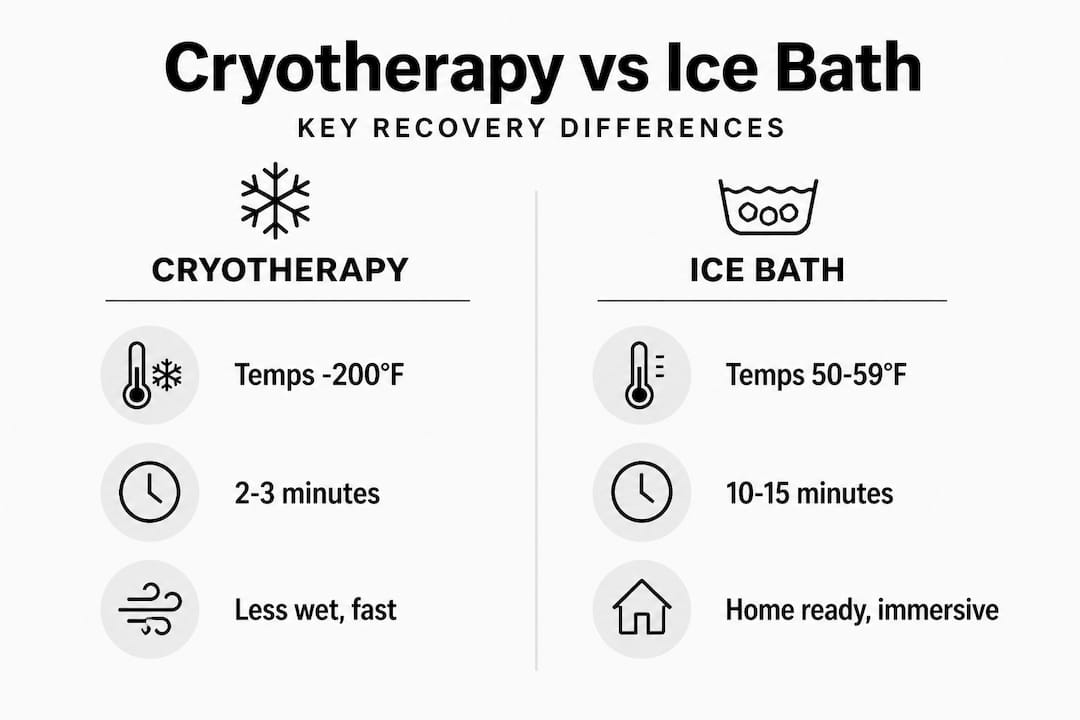
Here's a direct comparison across the categories that matter most to athletes and health-conscious individuals:
| Category | Ice Bath (CWI) | Cryotherapy (WBC) |
|---|---|---|
| Temperature | 50°F to 59°F (10°C to 15°C) | Minus 166°F to minus 220°F (air temp) |
| Session length | 10 to 15 minutes | 2 to 4 minutes |
| Tissue penetration | Deep (muscle tissue) | Surface (skin layer) |
| Cost per session | Low to moderate (DIY possible) | Moderate to high (facility required) |
| Availability | Home or gym accessible | Specialized facility needed |
| Recovery evidence | Stronger for endurance/team sports | Useful for perceived soreness |
| Risk level | Low with temperature monitoring | Low with professional supervision |
Advantages of ice baths:
- Lower cost and accessible at home
- Deeper tissue cooling that may benefit endurance athletes more directly
- Longer exposure allows for a meditative, ritual-building experience
- Temperature is easy to monitor and adjust personally
Advantages of cryotherapy:
- Time-efficient, ideal for busy schedules
- No wet clothes or long setup time
- Perceived as more comfortable by many users despite the colder temperature
- Professional supervision ensures safety protocols are followed
When each method might be the better fit:
- Endurance runners and cyclists often report stronger short-term benefits from ice baths, likely because the deeper tissue cooling targets the muscular fatigue patterns from long-duration work.
- Team sport athletes, including soccer and basketball players, also tend to respond well to cold water immersion after high-volume training blocks.
- For athletes with busy schedules who need something fast and effective after a moderate training day, cryotherapy is often the more practical contrast therapy option to build into a weekly routine.
- Individuals focused on resistance training and building strength may actually want to limit both methods after lifting sessions. More on that shortly.
With the main differences outlined, how should you decide what's right for your specific needs?
How to choose: Personalizing your recovery routine
The right recovery method isn't universal. It depends on your sport, your goals, your schedule, and honestly, your personality. Here's a straightforward process for figuring out what makes sense for you.
-
Identify your primary training type. Are you running long distances, competing in team sports, or focused on strength and hypertrophy? This single factor shapes almost everything else about your recovery strategy.
-
Match the method to your output. If your training is high-volume endurance or team sport based, cold water immersion or cryotherapy can meaningfully support your perceived recovery. If your sessions are primarily heavy resistance work focused on muscle growth, be cautious.
-
Understand the strength training caveat. Research from PLOS ONE highlights that cold therapy after strength sessions can blunt muscle adaptation. The same inflammation you're trying to suppress is actually part of the muscle-building signal. Suppressing it too aggressively may slow your long-term gains.
-
Build a ritual around it. This isn't just feel-good advice. The belief and expectation you bring to a recovery session genuinely amplify results. Creating a consistent routine, with intentional preparation and quiet afterward, activates psychological pathways that reinforce the physical response.
-
Track your response over 2 to 4 weeks. Keep a simple log of soreness levels (1 to 10), sleep quality, and next-session performance. Modest but real improvements are what you're looking for. If you see nothing after a month of consistent use, something in your approach needs adjusting.
-
Layer with fundamentals first. Cold therapy works best as a complement, not a cornerstone. Before adding any cold modality, make sure your sleep, nutrition, and stress management are solid.
Pro Tip: Don't let cold therapy become a substitute for sleep or good nutrition. Both ice baths and cryotherapy produce modest effects at best. If you're sleeping five hours a night and under-eating protein, no amount of cold immersion will make up the difference.
"Cold therapy offers genuine but modest benefits for recovery. When combined with proper sleep, nutrition, and periodized training, it can provide a meaningful edge. On its own, it is not the shortcut many athletes hope for." — Recovery research summary, PLOS ONE
You can explore a broader set of recovery services and read more science-backed guidance on our recovery tips blog to keep building on this foundation.
Here's how all this evidence and advice comes together with a perspective you won't hear from most recovery guides.
What most recovery guides get wrong about cold therapy
Most articles comparing cryotherapy and ice baths treat the placebo effect as a failure. As if finding out that belief plays a major role in soreness reduction somehow invalidates the experience. We see it differently.
The placebo response is not a flaw. It's a feature of how your nervous system actually works. When your body expects relief, it initiates real physiological responses: endorphin release, changes in pain perception, and reduced stress signaling. These are measurable, meaningful effects. If a well-structured recovery ritual involving cold therapy amplifies that response, you're not being tricked. You're leveraging a genuine biological mechanism.
Where athletes and wellness seekers go wrong is in chasing the most extreme version of cold therapy on the assumption that more discomfort equals more benefit. That's not what the research actually supports. Going colder, longer, or more frequently doesn't linearly improve recovery. There's a dose-response curve, and most people are already near the effective ceiling after a properly dosed session.
The more uncomfortable truth is that passive rest, quality sleep, and adequate protein intake consistently outperform both methods in controlled comparisons. We're not saying cold therapy doesn't work. We're saying the hierarchy matters. A two-minute cryotherapy session after a night of solid sleep and a protein-rich meal will do far more than a fifteen-minute ice bath following five hours of restless sleep and a skipped dinner.
The best recovery routines we see at our facility combine cold therapy as a consistent ritual, not a desperate rescue measure. Athletes who come in after every competition or hard training block, treat the session as a purposeful transition from effort to restoration, and pair it with good lifestyle habits are the ones who report the most consistent results over time.
The ritual aspect is real. Give it the respect it deserves.
Ready to try cryotherapy or cold immersion in Las Vegas?
If you're ready to experience these methods firsthand, Wellness Sauna & Cryotherapy in Las Vegas offers both in a clean, professional, and supportive environment. Whether you want to try cryotherapy in Las Vegas or explore our cold plunge experiences, our team helps you find the right fit for your training style and goals. We also offer contrast therapy options that combine cold with heat for an even more powerful recovery effect. Every session is supervised, personalized, and designed to make you feel the difference from day one. Book your first session and start building a recovery routine that actually works for you.
Frequently asked questions
Which is safer: cryotherapy or ice bath?
Both are safe when used within proper guidelines, but ice baths offer more direct control over temperature and exposure time, making them easier to self-monitor at home. Cryotherapy is equally safe when administered at a professional facility with trained staff.
Is there any real difference in recovery between the two?
Research shows both methods reduce soreness, but neither is reliably superior to a placebo in controlled comparisons. Ice baths may have a slight edge for functional recovery in endurance and team sports due to deeper tissue cooling.
Are there any reasons NOT to use cryotherapy or ice baths?
Yes. Avoid both immediately after strength training sessions, since cold exposure can blunt muscle adaptation and slow long-term gains. Always check with your doctor first if you have cardiovascular or circulatory conditions.
How long does it take to feel the effects?
Most people notice reduced soreness within 24 hours of a session, though dramatic performance improvements are not typical from a single exposure. Consistent use over several weeks tends to produce the most noticeable results.